


Learning to say hello in different languages is a simple way to open doors across cultures. A single greeting can bridge gaps, spark friendships, and show respect in multicultural settings.
If you’re traveling, meeting international colleagues, or exploring global traditions, understanding the meaning behind a greeting strengthens human connection.
This guide helps you discover the beauty and variety of saying “hello” around the world.
Why Learning ‘Say Hello in Different Languages’ Matters
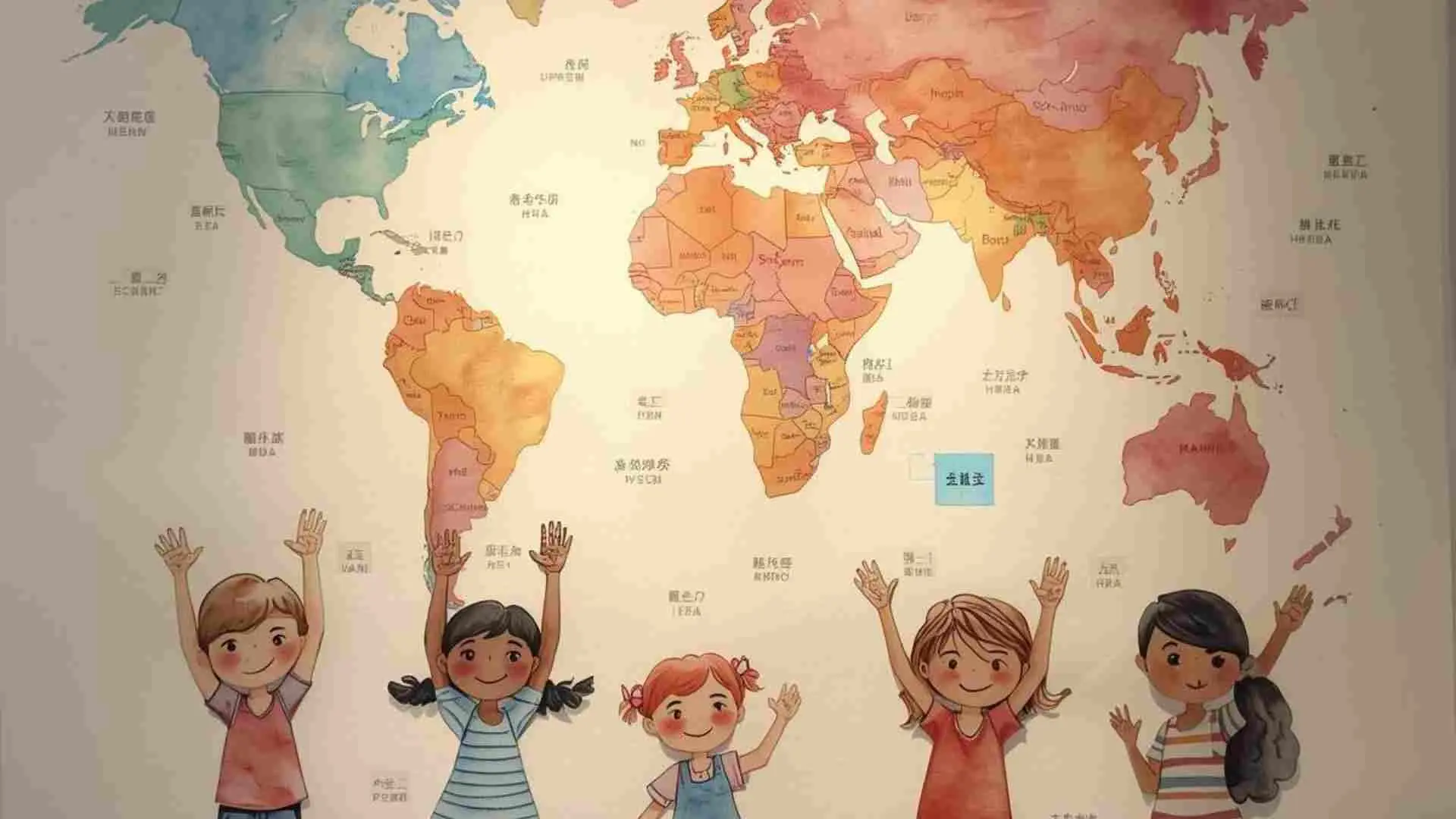
Understanding how to say hello in different languages goes beyond memorizing a word.
Greetings carry cultural depth they reflect warmth, respect, and social values.
Learning them helps you appreciate global diversity, improve cross-cultural communication, and strengthen emotional bonds with people from different backgrounds.
Each greeting is a small step toward a more connected world.
Say Hello in Different Languages in European Languages
- Spanish: Hola (OH-lah)
- French: Salut (sa-LOO)
- German: Hallo (HAH-loh)
- Italian: Ciao (chow)
- Portuguese: Olà (oh-LAH)
- Dutch: Hoi (hoy)
- Swedish: Hej (hey)
Say Hello in Different Languages in Native American Languages
- Navajo: Yá’át’ééh (yah-ah-TEH)
- Cherokee: Osiyo (oh-SEE-yo)
- Lakota: Hau (how)
- Hopi: Um waynuma (oom-WAY-noo-mah)
- Apache: Da’anzho (DAH-an-zho)
- Ojibwe: Boozhoo (boh-ZHOO)
- Choctaw: Halito (ha-LEE-toh)
Say Hello in Different Languages in Asian Languages
- Hindi: Namaste (nah-MAH-stay)
- Japanese: Konnichiwa (koh-NEE-chee-wah)
- Korean: Annyeong (ahn-NYAWNG)
- Mandarin Chinese: Nǐ hǎo (nee-HOW)
- Thai: Sawasdee (sah-WAHT-dee)
- Malay: Helo (HEH-loh)
- Filipino/Tagalog: Kamusta (kah-MOOS-tah)
Say Hello in Different Languages in Middle Eastern Languages
- Arabic: Marhaba (MAR-hah-bah)
- Hebrew: Shalom (sha-LOHM)
- Persian/Farsi: Salam (sah-LAHM)
- Turkish: Merhaba (MEHR-hah-bah)
- Kurdish: Slav (slahv)
- Pashto: Salaamona (sah-lah-MOH-nah)
- Armenian: Barev (bah-REV)
Say Hello in Different Languages in African Languages
- Swahili: Hujambo (hoo-JAM-boh)
- Zulu: Sawubona (sah-woo-BOH-nah)
- Hausa: Sannu (SAN-noo)
- Amharic: Selam (seh-LAHM)
- Yoruba: Bawo (BAH-woh)
- Somali: Iska warran (IS-kah wah-RAN)
- Shona: Mhoro (m-HOR-oh)
Say Hello in Different Languages in Indigenous Languages
- Maori: Kia ora (kee-OR-ah)
- Hawaiian: Aloha (ah-LO-hah)
- Inuktitut: Aluu (ah-LOO)
- Samoan: Talofa (tah-LO-fah)
- Tongan: Mālō e lelei (MAH-loh eh leh-LAY)
- Fijian: Bula (BOO-lah)
- Guaraní: Mba’éichapa (m-BAH-ay-chah-pah)
Say Hello in Different Languages in the Iroquoian Language Family
- Mohawk: Sekon (SEH-kon)
- Seneca: Sgeno (SGEH-noh)
- Onondaga: Sgenoñ (sgeh-NOHN)
- Cayuga: Sego (SEH-go)
- Tuscarora: Skye’no (sky-EH-noh)
- Oneida: Shekóli (sheh-KOH-lee)
- Wyandot: Shé:kon (SHEH-kon)
Say Hello in Different Languages in Plains Languages

- Blackfoot: Oki (OH-kee)
- Crow: Aho (AH-hoh)
- Sioux: Hau kola (how KOH-lah)
- Cheyenne: Hahó (hah-HOH)
- Kiowa: Háu (how)
- Arapaho: Tous (tooss)
- Comanche: Marúawe (mah-ROO-ah-weh)
Say Hello in Different Languages in Southeastern Languages
- Creek (Muscogee): Hesci (HESS-chee)
- Seminole: Haiti (HIGH-tee)
- Choctaw: Halito (ha-LEE-toh)
- Chickasaw: Chokma (CHOK-mah)
- Catawba: Kwei (kway)
- Yuchi: Tsoyaha (tsoh-YAH-hah)
- Timucua: Ahosi (ah-HOH-see)
Say Hello in Different Languages in Northwestern Languages
- Salish: Weytop (way-TKUP)
- Tlingit: Wáa sá iyaté? (wah sah ee-yah-TAY)
- Haida: Haa’wa (HAH-wah)
- Chinook Jargon: Kla-how-ya (klah-HOW-yah)
- Tsimshian: La̱x̱yoosgm (lah-HYOO-sgum)
- Yakama: Úx̣st (ooks)
- Nez Perce: Aha (AH-hah)
Say Hello in Different Languages in Additional World Languages
- Greek: Yassas (YAH-sas)
- Romanian: Salut (sah-LOOT)
- Icelandic: Halló (HAH-lo)
- Hungarian: Szia (SEE-yah)
- Finnish: Hei (hey)
- Albanian: Përshëndetje (per-SHEN-deh-tyeh)
- Bengali: Nomoskar (NO-mosh-kar)
- Urdu: Adaab (ah-DAHB)
- Vietnamese: Xin chào (sin chow)
- Indonesian: Halo (HAH-loh)
- Tamil: Vanakkam (vah-NAK-kam)
- Kannada: Namaskara (nah-mas-KAH-rah)
- Swazi: Sawubona (sah-woo-BOH-nah)
- Welsh: Helo (HEH-loh)
- Basque: Kaixo (KAI-sho)
Examples of Using ‘Say Hello in Different Languages’ in Sentences Across Languages
- Spanish – “Hola”
Hola, amiga nueva.
Meaning: Hello, new friend. - French – “Salut”
Salut, je suis heureux de te voir.
Meaning: Hello, I’m happy to see you. - Arabic – “Marhaba”
Marhaba, kayfa haluk?
Meaning: Hello, how are you? - Hindi – “Namaste”
Namaste, aapka swagat hai.
Meaning: Hello, you are welcome. - Japanese – “Konnichiwa”
Konnichiwa, watashi wa tomo desu.
Meaning: Hello, I am Tomo. - German – “Hallo”
Hallo, willkommen in unserer Stadt.
Meaning: Hello, welcome to our city. - Swahili – “Hujambo”
Hujambo rafiki yangu.
Meaning: Hello, my friend. - Portuguese – “Olá”
Olá, como você está hoje?
Meaning: Hello, how are you today?
Cultural Meaning of ‘Say Hello in Different Languages’ Around the World
Greetings reflect the heart of a culture.
In some societies, like Japan or India, a hello carries respect and humility. In Pacific cultures, a greeting often represents warmth and spiritual connection.
Indigenous communities may use greetings tied to identity, wellbeing, or community unity. Across the world, saying “hello” shows openness, kindness, and the desire to connect—values shared by all human cultures.
Conclusion
Exploring how to say hello in different languages helps us see the world through new eyes.
Each greeting you learn strengthens your connection to diverse people and traditions.
Whether you’re traveling, making global friends, or celebrating cultural diversity, every “hello” is a step toward understanding and unity.
Discover More Article:

Author Biography
I am James Carter, a passionate writer who loves exploring words, cultures, and languages from around the world.
My writing focuses on making complex ideas simple and easy for readers of all backgrounds.
I enjoy creating content that connects people through language, meaning, and shared understanding.
Over the years, I have written articles that help readers learn, translate, and appreciate different languages.
I believe words have the power to educate, inspire, and bring people closer.
Through my work, I aim to make language learning friendly, useful, and enjoyable for everyone.
Books by James Carter:
• Words Without Borders
• The Language Bridge