
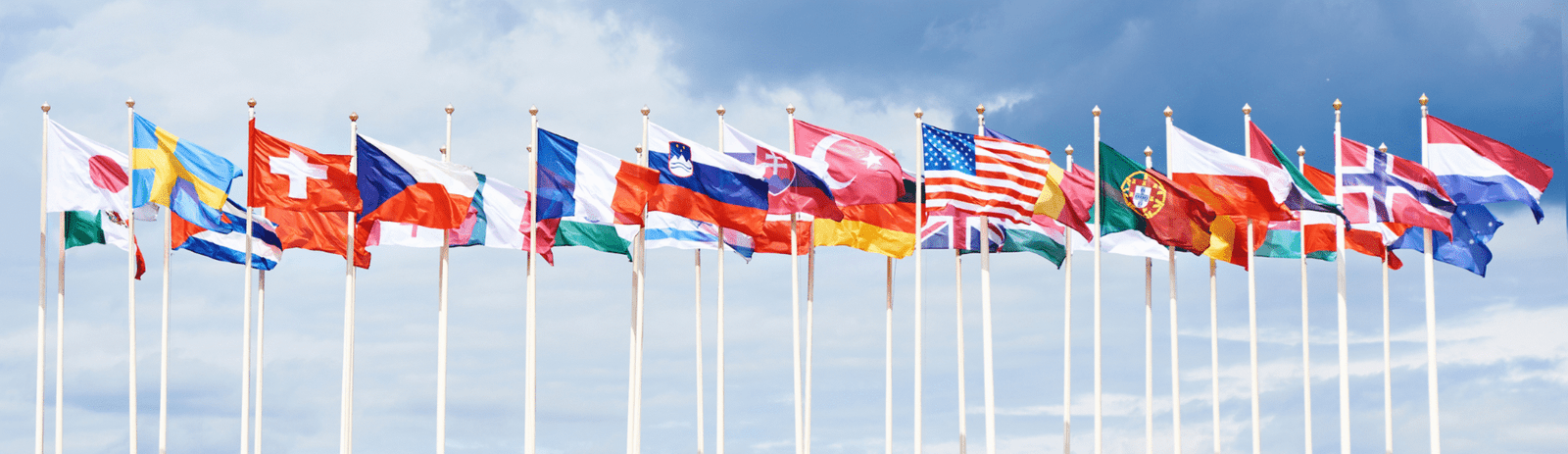

Learning how to say thanks in different languages opens the door to kindness, cultural respect, and global connection. Every culture has its own warm and meaningful way to express gratitude, and understanding these variations helps us communicate with empathy.
If you travel, interact with international communities, or simply want to appreciate other cultures, knowing different forms of gratitude builds stronger relationships.
This guide explores the translation of thanks, the meaning behind it, and how to say thanks in different languages around the world all in a simple, friendly, and original way.
Why Learning ‘thanks’ in Different Languages Matters
Understanding how to say thanks in different languages strengthens cultural harmony and shows respect for people from diverse backgrounds.
It helps break communication barriers and creates a positive environment wherever you go.
Gratitude is universal, yet each language adds its own emotional and social touch to the word.
Learning these variations helps you connect, appreciate traditions, and express kindness more meaningfully across cultures.
Thanks in European Languages
- Spanish: Gracias (grah-see-ahs)
- French: Merci (mehr-see)
- German: Danke (dahn-kuh)
- Italian: Grazie (graht-see-eh)
- Portuguese: Obrigado/Obrigada (oh-bree-gah-do)
- Dutch: Dank je (dahnk yuh)
- Swedish: Tack (tahk)
Thanks in Native American Languages
- Cherokee: Wado (wah-doh)
- Navajo: Ahéhee’ (ah-hey-heh)
- Lakota: Pilamaya (pee-lah-mah-yah)
- Hopi: Kwa’kwai (kwah-kwai)
- Ojibwe: Miigwech (meeg-wehch)
- Mohawk: Nia:wen (nee-ah-wen)
- Choctaw: Yakoke (yah-koh-keh)
Thanks in Asian Languages
- Chinese (Mandarin): Xièxiè (shieh-shieh)
- Japanese: Arigatō (ah-ree-gah-toh)
- Korean: Gamsahamnida (gahm-sah-ham-nee-da)
- Hindi: Dhanyavaad (dhun-ya-vaad)
- Thai: Khob khun (kob-koon)
- Filipino: Salamat (sah-lah-maht)
- Malay/Indonesian: Terima kasih (teh-ree-mah kah-see)
Thanks in Middle Eastern Languages
- Arabic: Shukran (shoo-krahn)
- Turkish: Teşekkürler (teh-shehk-koo-lair)
- Hebrew: Todah (toh-dah)
- Persian (Farsi): Mamnoon (mam-noon)
- Kurdish: Spas (spahs)
- Pashto: Manana (mah-nah-nah)
- Urdu: Shukriya (shook-ree-yah)
Thanks in African Languages
- Swahili: Asante (ah-sahn-teh)
- Zulu: Ngiyabonga (ngee-yah-bon-gah)
- Amharic: Amesegenallo (ah-meh-seh-gen-ah-lo)
- Yoruba: O se (oh-sheh)
- Igbo: Imela (ee-meh-lah)
- Somali: Mahadsanid (mah-hahd-sah-nid)
- Shona: Ndatenda (n-dah-ten-dah)
Thanks in Indigenous Languages
- Maori: Ngā mihi (ngah mee-hee)
- Samoan: Fa’afetai (fah-ah-feh-tai)
- Hawaiian: Mahalo (mah-hah-loh)
- Tongan: Mālō (mah-loh)
- Yupik: Quyana (koo-yah-nah)
- Inuktitut: Nakurmik (nah-koor-mik)
- Fijian: Vinaka (vee-nah-kah)
Thanks in Iroquoian Language Family
- Mohawk: Nia:wen (nee-ah-wen)
- Oneida: Yawʌ·kó (yah-wah-ko)
- Onondaga: Nyawëh (nyah-weh)
- Cayuga: Gwa:k (gwahk)
- Tuscarora: Wanishi (wah-nee-shee)
- Seneca: Nya:wëh (nyah-weh)
- Cherokee: Wado (wah-doh)
Thanks in Plains Languages
- Sioux: Pilamaya (pee-lah-mah-yah)
- Crow: Biašhó (bee-ah-shoh)
- Cheyenne: Néá’ese (nay-ah-eh-seh)
- Blackfoot: Ihtsipoktsi (ee-tsih-pok-tsee)
- Arapaho: Heebe-noo (hee-beh-noo)
- Comanche: Ura (oo-rah)
- Kiowa: A:dau (ah-dow)
Thanks in Southeastern Languages
- Creek: Mvto (muh-toh)
- Seminole: Mvto (mah-toh)
- Catawba: Hántce (hahn-che)
- Chickasaw: Yokoke (yoh-koh-keh)
- Timucua: Tócai (toh-kai)
- Lumbee: Wadohon (wah-doh-hon)
- Natchez: Tāka (tah-kah)
Thanks in Northwestern Languages
- Tlingit: Gunalchéesh (goo-nahl-cheesh)
- Haida: Haw’aa (hah-wah-ah)
- Tsimshian: Masi cho (mah-see-choh)
- Salish: Limləmt (leem-lumt)
- Quileute: Hy’sh’qe (hish-keh)
- Nuu-chah-nulth: Kleco (kleh-koh)
- Chinook: Hayu masi (hah-yu mah-see)
Thanks in Additional World Languages (15 Languages)
- Greek: Efcharistó (ef-khah-ree-stoh)
- Romanian: Mulțumesc (mool-tsoo-mesk)
- Hungarian: Köszönöm (kuh-suh-nuhm)
- Finnish: Kiitos (kee-toss)
- Icelandic: Takk fyrir (tahk feer-ir)
- Polish: Dziękuję (jen-koo-yeh)
- Czech: Děkuji (dyeh-koo-yee)
- Slovak: Ďakujem (dya-koo-yem)
- Croatian: Hvala (hvah-lah)
- Serbian: Hvala (hvah-lah)
- Ukrainian: Dyakuyu (dya-koo-yoo)
- Bengali: Dhonnobad (dhon-no-baad)
- Marathi: Dhanyavaad (dhun-yah-vaad)
- Tamil: Nandri (nun-dree)
- Kannada: Dhanyavaadagalu (dhun-yah-vaa-da-ga-loo)
Examples of Using ‘thanks’ in Sentences Across Languages
- Spanish: Gracias por tu ayuda. — “Thanks for your help.”
- French: Merci pour tout. — “Thank you for everything.”
- Arabic: Shukran jazeelan. — “Many thanks.”
- Hindi: Aapka dhanyavaad. — “Thanks to you.”
- Japanese: Arigatō gozaimasu. — “Thank you respectfully.”
- Korean: Gamsahamnida. — “I give my thanks.”
- Turkish: Teşekkür ederim. — “I express my thanks.”
- Swahili: Asante sana. — “Thank you very much.”
- German: Danke schön. — “Thanks kindly.”
- Portuguese: Muito obrigado. — “Thanks a lot.”
Cultural Meaning of ‘thanks’ Around the World
The meaning of thanks varies beautifully across cultures.
In some places, gratitude is expressed with warmth and emotion, while in others it reflects deep respect or formality.
Many Indigenous languages connect gratitude to nature and community.
Asian cultures often use humble and polite expressions, while European languages emphasize appreciation and kindness.
Each version of “thanks” carries traditions, values, and history, making it more than just a word — it is a bridge between hearts.
Conclusion
Learning how to say thanks in different languages helps us appreciate global diversity and connect with people on a deeper level. Each translation reflects a culture’s heart, manners, and traditions.
If you’re traveling, studying, or simply expanding your knowledge, expressing gratitude in multiple languages spreads positivity and respect across the world.

Grace Thompson
I am Grace Thompson, a passionate writer who loves exploring the beauty of languages and cultures through words.
My writing focuses on making complex topics simple and easy for readers from different backgrounds.
I enjoy creating content that connects people across languages and helps them learn something new every day.
Writing for a multilingual audience has shaped my storytelling style to be clear, friendly, and meaningful.
Through my work, I aim to inform, inspire, and guide readers in a natural and engaging way.
Every article I write reflects my curiosity and love for global communication.
Books by Grace Thompson:
• Words Beyond Borders
• The Language Connection