

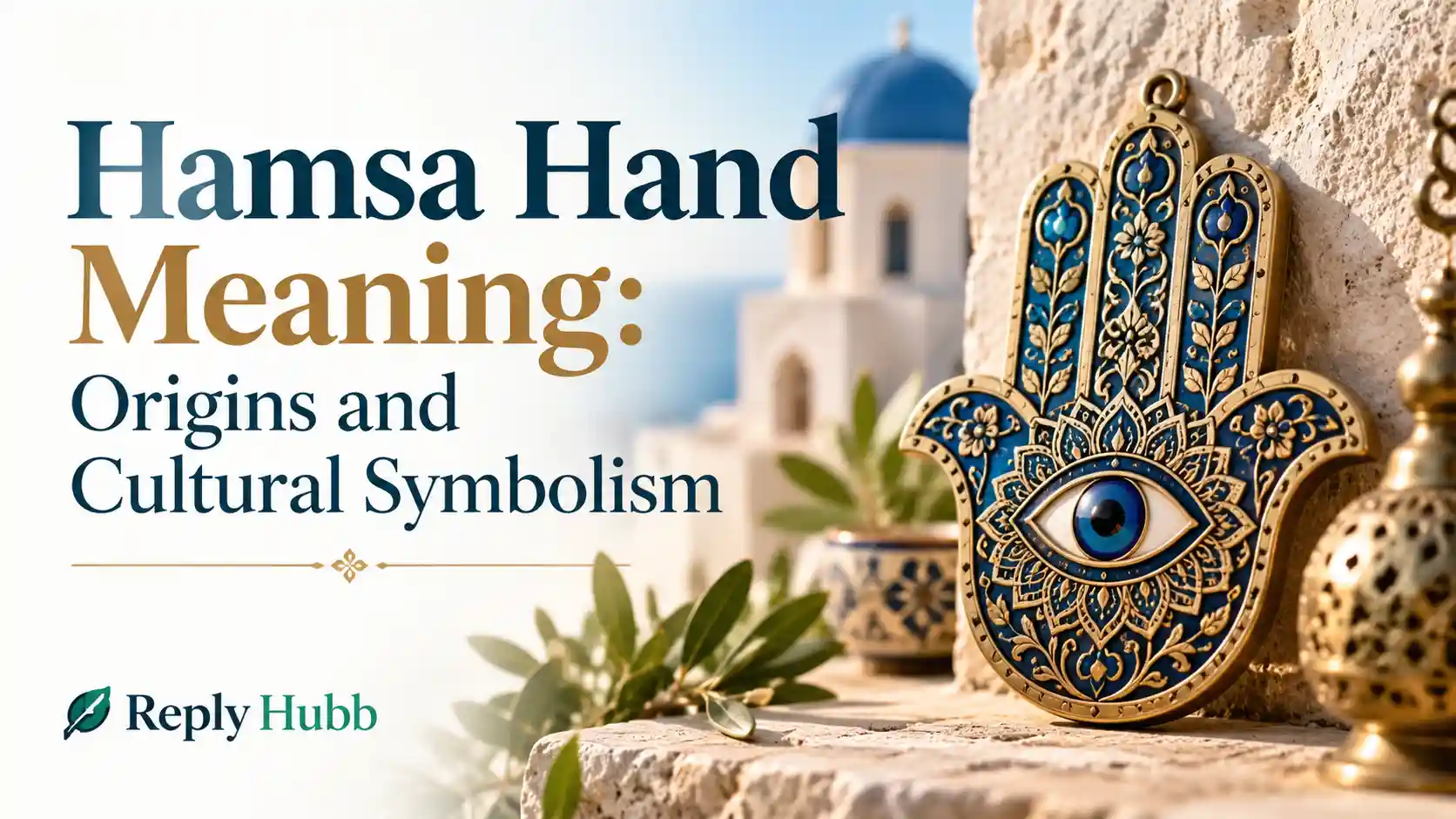
The Hamsa hand, a palm-shaped amulet featuring an eye at the center, is one of the most recognizable and enduring symbols in human history. Often seen in jewelry, wall art, and tattoos, the Hamsa hand meaning transcends borders, representing protection, strength, and blessings. Whether you call it the Hand of Fatima, the Hand of Miriam, or simply the Hamsa, this ancient sign carries a profound significance that bridges multiple religions and cultures. In this guide, we explore the rich historical roots of the Hamsa and why it remains a timeless emblem of spiritual security and good luck in the modern world.
The Rich History and Cultural Significance of the Hamsa
From ancient Mesopotamia to modern spiritual practices, the Hamsa is a multifaceted symbol with deep historical roots.
1. Ancient Mesopotamian Roots
Historians trace the origins of the Hamsa back to ancient Mesopotamia, where the symbol of an open hand was associated with the goddess Ishtar. It was originally used as a protective sign against the ‘evil eye,’ a concept rooted in the belief that jealous gazes could bring misfortune. By wearing or displaying this hand-shaped amulet, ancient civilizations sought to deflect negativity and invite divine protection.
2. Islamic Symbolism: The Hand of Fatima
In Islamic culture, the Hamsa is frequently referred to as the Hand of Fatima, honoring the daughter of the Prophet Muhammad. Each of the five fingers represents the Five Pillars of Islam, but more broadly, it symbolizes faith, prayer, charity, fasting, and pilgrimage. It is often used to bring peace, prosperity, and protection to homes and families.
3. Jewish Tradition: The Hand of Miriam
In Jewish culture, the symbol is known as the Hand of Miriam, named after the sister of Moses and Aaron. Here, the five fingers are often linked to the five books of the Torah and the importance of using one’s senses to praise God. It serves as a reminder of divine guardianship and is commonly hung near doorways as a ‘hamsa for home’ to invite health and happiness.
4. Cultural Synthesis and Modern Meaning
Today, the Hamsa has evolved into a secular symbol of universal protection and unity. While its roots are deeply embedded in Middle Eastern and North African traditions, it is now a popular decorative element for those interested in mindfulness, spirituality, and positive energy. Many people choose Hamsa jewelry not just for its aesthetic appeal, but as a personal talisman for warding off negativity in their daily lives.
Bring Positive Energy Into Your Space
If you are looking to incorporate the protective essence of the Hamsa into your life, these selected items offer beautiful ways to display or wear this meaningful symbol.
Hamsa Hand Wall Hanging Decor

Best For: Entryway and Living Room decoration
A beautifully crafted wall ornament designed to bring a sense of harmony and protection to any room in your home.
Practical Tips: Hang this near your main entrance to symbolize the traditional practice of welcoming positive energy into your living space.
Recommended: Spiritual Home Decor Series
How to Choose the Right Hamsa Symbol
When selecting a Hamsa item, consider the intended use. If you are buying jewelry, look for durable materials like sterling silver or gold if you intend to wear it daily. For wall decor, look for materials that match your home aesthetic—wood, ceramic, or metal. The orientation of the hand is also a matter of personal choice: pointing up, it represents protection and power; pointing down, it is believed to welcome abundance and blessings.
Frequently Asked Questions
Is the Hamsa symbol specific to one religion?
No, the Hamsa is a cross-cultural symbol found throughout history in Islamic, Jewish, and even some Christian and Hindu traditions, each attributing its own unique layers of meaning.
What does the eye in the center of the Hamsa mean?
The eye is commonly known as the ‘Nazar’ or the protective eye. It is believed to watch out for the owner and deflect the ‘evil eye’ or negative energy.
Final Thoughts
The Hamsa hand is more than just a decorative piece; it is an ancient, cross-cultural bridge that symbolizes our shared desire for safety, peace, and prosperity. Whether worn as jewelry or kept as a home amulet, it serves as a powerful reminder of positive intention. By understanding the deep history behind the symbol, you can better appreciate the protection and good fortune it represents in your own life.
