
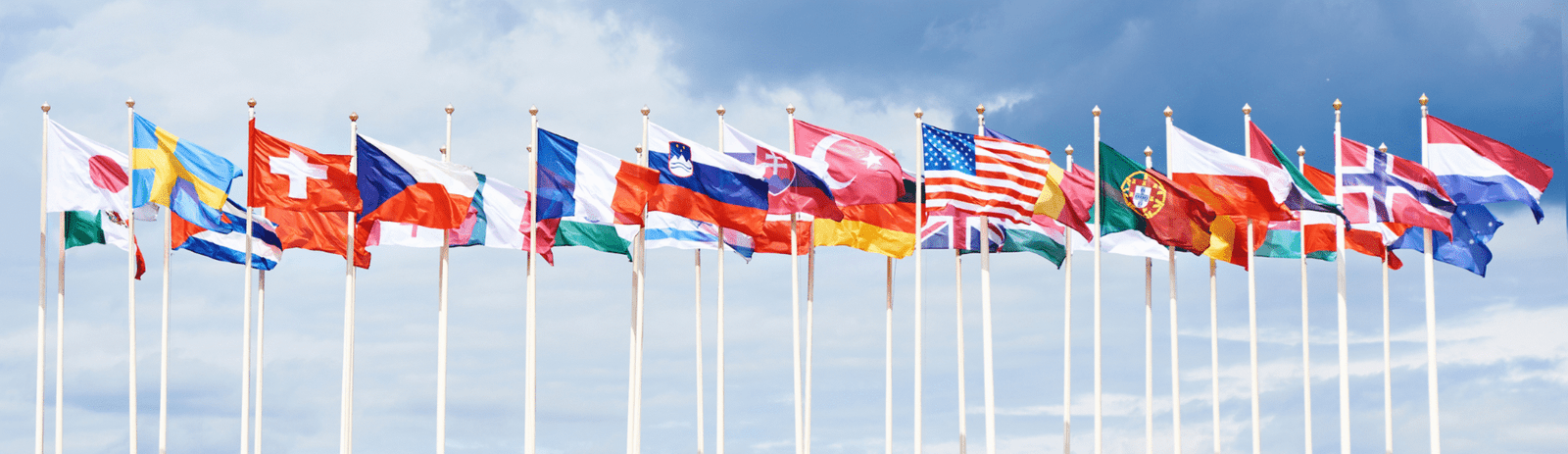
Learning how to express happiness in different languages opens a small window into the hearts of people around the world. Words carry emotion, culture, and history, and even a simple feeling like happiness can sound beautifully different in every language.
Understanding the translation of happiness helps us connect more deeply with others, whether we are traveling, studying, or simply curious. It builds bridges between cultures and reminds us that joy is something we all share.
In this guide, you will explore how to say happiness in different languages, along with meanings, pronunciations, and cultural insights.
🌟 Why Learning ‘Happiness in Different Languages’ Matters
Learning the word happiness in various languages is more than just memorizing vocabulary. It holds deeper value:
🌍 Cultural Value
Each culture defines happiness in its own way. Some focus on inner peace, while others highlight celebration or community joy.
🤝 Global Understanding
Knowing how to say happiness in different languages improves communication and helps you relate to people from different backgrounds.
💖 Emotional Connection
When you speak someone’s language—even a single word—it creates warmth and trust. Happiness becomes a shared feeling, not just a word.
🌐 Happiness in European Languages
- Spanish: Felicidad (feh-lee-see-DAHD)
- French: Bonheur (boh-NUR)
- German: Glück (glook)
- Italian: Felicità (feh-lee-chee-TAH)
- Portuguese: Felicidade (feh-lee-see-DAH-jee)
- Dutch: Geluk (heh-LUKH)
- Swedish: Lycka (LOO-kah)
🌎 Happiness in Native American Languages
- Navajo: Hózhǫ́ (ho-zhon)
- Cherokee: Alihelitsv (ah-lee-heh-LEE-tsuh)
- Lakota: Wówačhaŋtognaka (wo-wah-chan-toh-gna-ka)
- Ojibwe: Minwendamowin (min-wen-da-MO-win)
- Cree: Miyo-mâcihoyân (mee-yo maa-chee-ho-yaan)
- Hopi: Nakwach (nak-wach)
- Mohawk: O:nenhste (oh-nen-steh)
🌏 Happiness in Asian Languages
- Hindi: Khushi (khoo-shee)
- Urdu: Khushi (khoo-shee)
- Chinese (Mandarin): Xìngfú (shing-foo)
- Japanese: Shiawase (shee-ah-wah-seh)
- Korean: Haengbok (heng-bok)
- Thai: Kwam suk (kwam-sook)
- Indonesian: Kebahagiaan (keh-bah-ha-gee-an)
🕌 Happiness in Middle Eastern Languages
- Arabic: Sa‘ada (sa-aa-dah)
- Persian: Khoshbakhti (khosh-bakh-tee)
- Turkish: Mutluluk (moot-loo-look)
- Hebrew: Osher (oh-sher)
- Kurdish: Xoşî (kho-shee)
- Pashto: Khushali (khoo-sha-lee)
- Azerbaijani: Xoşbəxtlik (khosh-bekht-lik)
🌍 Happiness in African Languages
- Swahili: Furaha (foo-rah-ha)
- Zulu: Injabulo (in-ja-boo-lo)
- Yoruba: Ayọ̀ (ah-yor)
- Hausa: Farin ciki (fa-rin chee-kee)
- Amharic: Desita (deh-see-ta)
- Somali: Farxad (far-khad)
- Shona: Mufaro (moo-fah-ro)
🌿 Happiness in Indigenous Languages
- Maori: Harikoa (ha-ree-ko-ah)
- Inuit: Quviasukvik (koo-vee-ah-sook-vik)
- Sami: Illu (eel-loo)
- Mapuche: Küme mongen (koo-meh mon-gen)
- Aymara: Kusisiña (koo-see-see-nya)
- Guarani: Vy’a (vuh-yah)
- Quechua: Kusikuy (koo-see-kuy)
🪶 Happiness in Iroquoian Language Family
- Mohawk: O:nenhste (oh-nen-steh)
- Seneca: Oëhda’ (oh-eh-da)
- Oneida: Ukwehú·lu (oo-kweh-hoo-loo)
- Cayuga: Etho’ (eh-tho)
- Tuscarora: Ukwahsu (oo-kwah-soo)
- Huron: Andeh (an-deh)
- Wyandot: Yandeh (yan-deh)
🐎 Happiness in Plains Languages
- Lakota: Wówačhaŋtognaka (wo-wah-chan-toh-gna-ka)
- Dakota: Wičháša wašté (wee-cha-sha wash-teh)
- Cheyenne: Néá’eše (neh-ah-eh-sheh)
- Blackfoot: Ksahkomitapi (ksa-koh-mi-ta-pi)
- Arapaho: Nii’ei (nee-ee)
- Crow: Baaxpée (bahkh-peh)
- Kiowa: Dó-gyá (doh-gya)
🌅 Happiness in Southeastern Languages
- Choctaw: Okchamali (ok-cha-ma-lee)
- Chickasaw: Chokma (chok-ma)
- Creek: Hesci (hes-chee)
- Seminole: Hecē (heh-see)
- Timucua: Noka (no-kah)
- Natchez: Yaf (yaf)
- Apalachee: Taloa (ta-lo-ah)
🌲 Happiness in Northwestern Languages
- Chinook: Lax̣a (la-kha)
- Salish: Snəw̓eyəɬ (snu-way-ethl)
- Tlingit: Tlein (tlayn)
- Haida: G̱uudang (goo-dang)
- Kwakiutl: Nalagila (na-la-gee-la)
- Nuu-chah-nulth: Ḥaaʔuk (haa-uk)
- Nez Perce: Hé·x̣e (heh-kheh)
🌎 Happiness in Additional World Languages
- Filipino: Kaligayahan (ka-lee-ga-ya-han)
- Malay: Kegembiraan (keh-gem-bee-ra-an)
- Icelandic: Hamingja (ha-ming-ya)
- Finnish: Onni (on-nee)
- Hungarian: Boldogság (bol-dog-shaag)
- Polish: Szczęście (shchen-shcheh)
- Greek: Eftychia (ef-tee-hee-ah)
- Czech: Štěstí (shtyes-tee)
- Slovak: Šťastie (shtyas-tee-eh)
- Romanian: Fericire (feh-ree-chee-reh)
- Bulgarian: Shtastie (shtas-tee-eh)
- Croatian: Sreća (sreh-cha)
- Serbian: Sreća (sreh-cha)
- Danish: Lykke (loo-keh)
- Norwegian: Lykke (luk-keh)
✨ Examples of Using ‘Happiness in Different Languages’ in Sentences Across Languages
- Spanish (Felicidad)
Sentence: La felicidad es importante en la vida.
Meaning: Happiness is important in life. - French (Bonheur)
Sentence: Le bonheur se trouve dans les petites choses.
Meaning: Happiness is found in small things. - Arabic (Sa‘ada)
Sentence: Al-sa‘ada fi qalb al-insan.
Meaning: Happiness lives in the human heart. - Hindi (Khushi)
Sentence: Khushi chhoti baaton mein milti hai.
Meaning: Happiness is found in small moments. - Japanese (Shiawase)
Sentence: Shiawase wa kokoro no naka ni aru.
Meaning: Happiness is inside the heart. - German (Glück)
Sentence: Glück kommt von innen.
Meaning: Happiness comes from within. - Swahili (Furaha)
Sentence: Furaha huanza na amani.
Meaning: Happiness begins with peace.
🌍 Cultural Meaning of ‘Happiness’ Around the World
Happiness is not understood the same way everywhere. In some cultures, happiness means inner calm and balance, while in others it is about celebration and togetherness.
For example, many Asian traditions connect happiness with peace and harmony. In Western cultures, happiness is often linked to success and personal freedom. In African communities, joy is deeply connected with family, music, and shared experiences.
Some cultures even celebrate happiness through festivals, dance, and food. These traditions show that happiness is not just a feeling—it is a way of living and connecting with others.
💫 Conclusion
Learning happiness in different languages is a beautiful journey that brings people closer together. It teaches us that while words may change, the feeling of joy is universal.
By exploring how to say happiness around the world, you gain not only language skills but also a deeper appreciation for different cultures. Keep learning, keep exploring, and spread happiness wherever you go.
