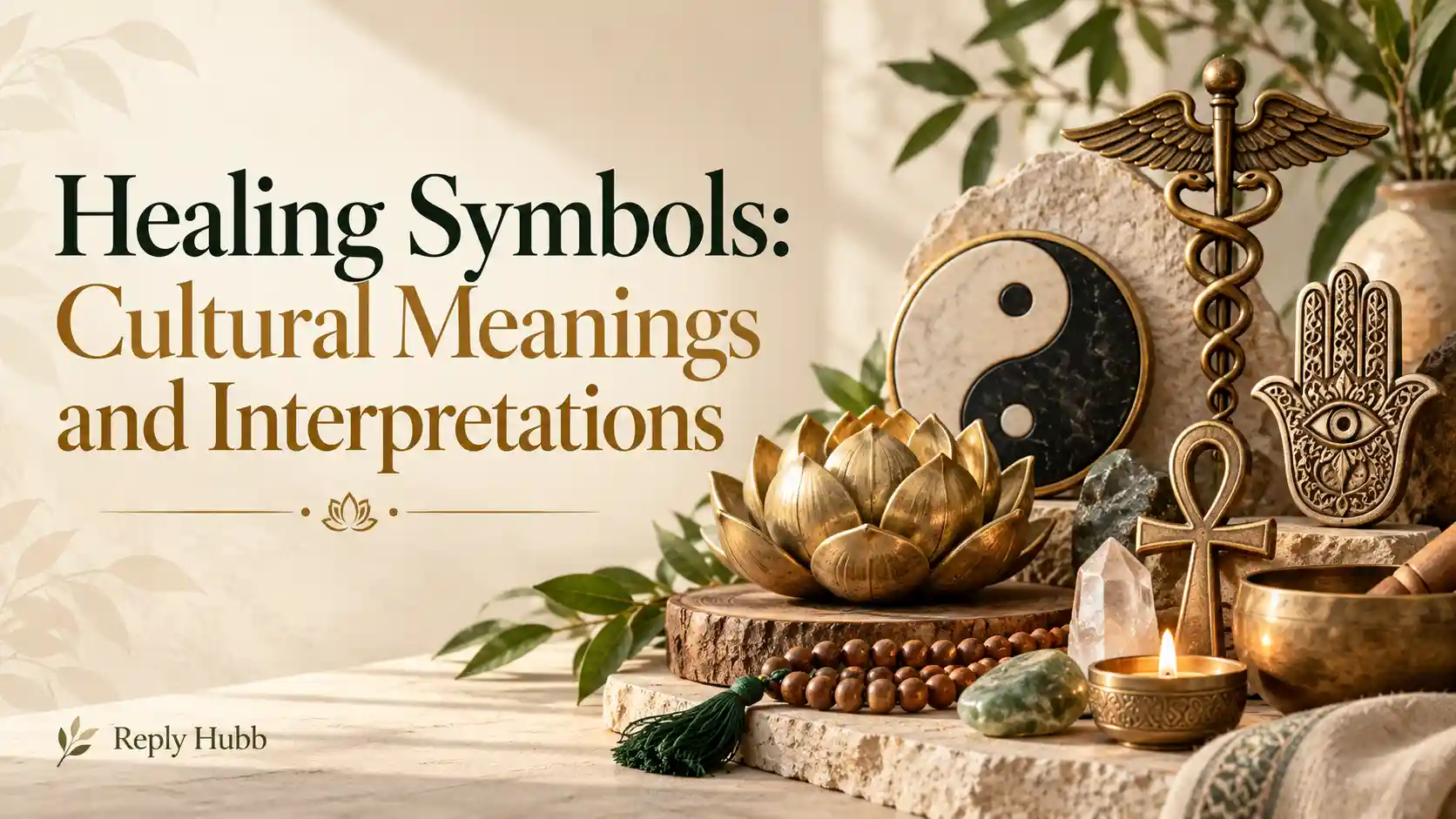
Throughout human history, cultures across the globe have utilized healing symbols to bridge the gap between the physical and spiritual realms. Whether used in meditation, sacred art, or traditional ceremonies, these symbols serve as focal points for intention, renewal, and emotional transformation. Understanding the cultural meanings and interpretations behind these ancient signs allows us to tap into a rich legacy of human wisdom. In this guide, we explore how various civilizations have harnessed the power of sacred imagery to promote well-being, providing you with a deeper understanding of how these timeless icons can still resonate in your modern life today.
Understanding the Power of Healing Symbols
From the Reiki symbols of Japan to the geometric patterns found in ancient Celtic art, healing symbols are more than just visual art—they are energetic keys. We break down the significance of these forms and how they influence personal growth and healing.
1. The Universal Language of Geometric Forms
Geometry is often called the language of the universe. Symbols like the Mandala or the Seed of Life represent wholeness and connectivity. In many cultures, these patterns are used to help quiet the mind, as the repetition and symmetry encourage a meditative state, reducing stress and fostering a sense of inner order.
2. Reiki Symbols and Energy Flow
Originating from Japan, Reiki symbols such as Cho Ku Rei and Sei He Ki act as keys to focus life-force energy. Practitioners use these symbols to facilitate healing at physical, emotional, and spiritual levels. The interpretation of these symbols varies, but their common thread is the intention to harmonize the body’s natural energy centers.
3. Ancient Celtic Knots and Interconnectedness
Celtic knots are iconic for their endless, looping designs. Symbolically, these loops represent the interconnectedness of all life and the eternal cycle of birth, death, and rebirth. In a therapeutic context, they are used to remind us that we are part of a larger whole, which can be immensely comforting during times of personal struggle.
4. Sacred Shapes in Nature
Many cultures recognize nature-based symbols like the spiral or the lotus flower as signs of growth and renewal. A spiral often signifies the journey inward to the center of the self, while the lotus represents rising above challenges. These symbols are essential tools for those looking to practice mindfulness and foster resilience.
5. The Role of Intention and Focus
The most important aspect of any healing symbol is the intention you bring to it. Whether you are coloring, meditating, or simply observing these signs, the symbol acts as a mirror for your own internal state. By concentrating on a symbol, you help align your conscious awareness with your desired state of being.
Recommended Resources for Your Journey
If you are interested in exploring these ancient signs further, the following resources provide deep dives into their history, symbolism, and practical application.
Sacred Symbols of the World

Best For: History enthusiasts and students of symbology.
A comprehensive guide to 100 ancient signs that span across history and geography.
Practical Tips: Use this as a reference dictionary whenever you encounter a symbol in art or literature.
Recommended: Sacred Symbols Reference
Harnessing the Power of Signs & Symbols

Best For: Beginners interested in the occult or symbolic history.
This book provides a deep look at the esoteric meanings behind ancient figures and how they unlock latent potential.
Practical Tips: Read one chapter a week to allow the concepts to integrate into your daily meditation practice.
Recommended: Esoteric Studies
Healing Symbols: A Reiki-Inspired Coloring Book

Best For: Those looking for a creative, hands-on way to reduce stress.
Engage with healing symbols through the therapeutic practice of coloring.
Practical Tips: Pair this with soft, ambient music for a truly relaxing mindfulness session.
Recommended: Therapeutic Coloring
Symbols of Transformation

Best For: People going through major life changes or seeking self-discovery.
Focuses specifically on signs of renewal and change.
Practical Tips: Use this book during transitional periods in your life to gain new perspectives.
Recommended: Personal Growth Series
Sacred Symbols of Healing

Best For: Practitioners of alternative healing modalities.
Examines restorative emblems and sacred forms of renewal.
Practical Tips: Keep this on your bedside table as a quick visual reference for daily inspiration.
Recommended: Spiritual Wellness
How to Choose the Right Symbol for Your Needs
When selecting a symbol to focus on, trust your intuition. If a particular shape or design draws your eye, it may be highlighting an area of your life that needs attention. Consider what you are trying to cultivate: clarity, healing, or strength. Then, choose a resource that provides both the historical context and the practical application for that specific energy.
Frequently Asked Questions
Do I need to be spiritual to use healing symbols?
Not at all. Many people use these symbols as psychological anchors or tools for mindfulness, regardless of their religious or spiritual background.
Can healing symbols really improve my well-being?
Healing symbols act as focal points for your intention. By bringing your focus to a positive, harmonious image, you can reduce mental clutter and improve your overall emotional state.
Final Thoughts
Healing symbols are powerful reminders of our capacity for growth and self-regulation. By exploring their diverse cultural meanings, we gain access to ancient wisdom that supports our modern need for balance. Whether you use them in meditation, art, or daily reflection, these symbols can serve as grounded foundations for your personal journey.
