

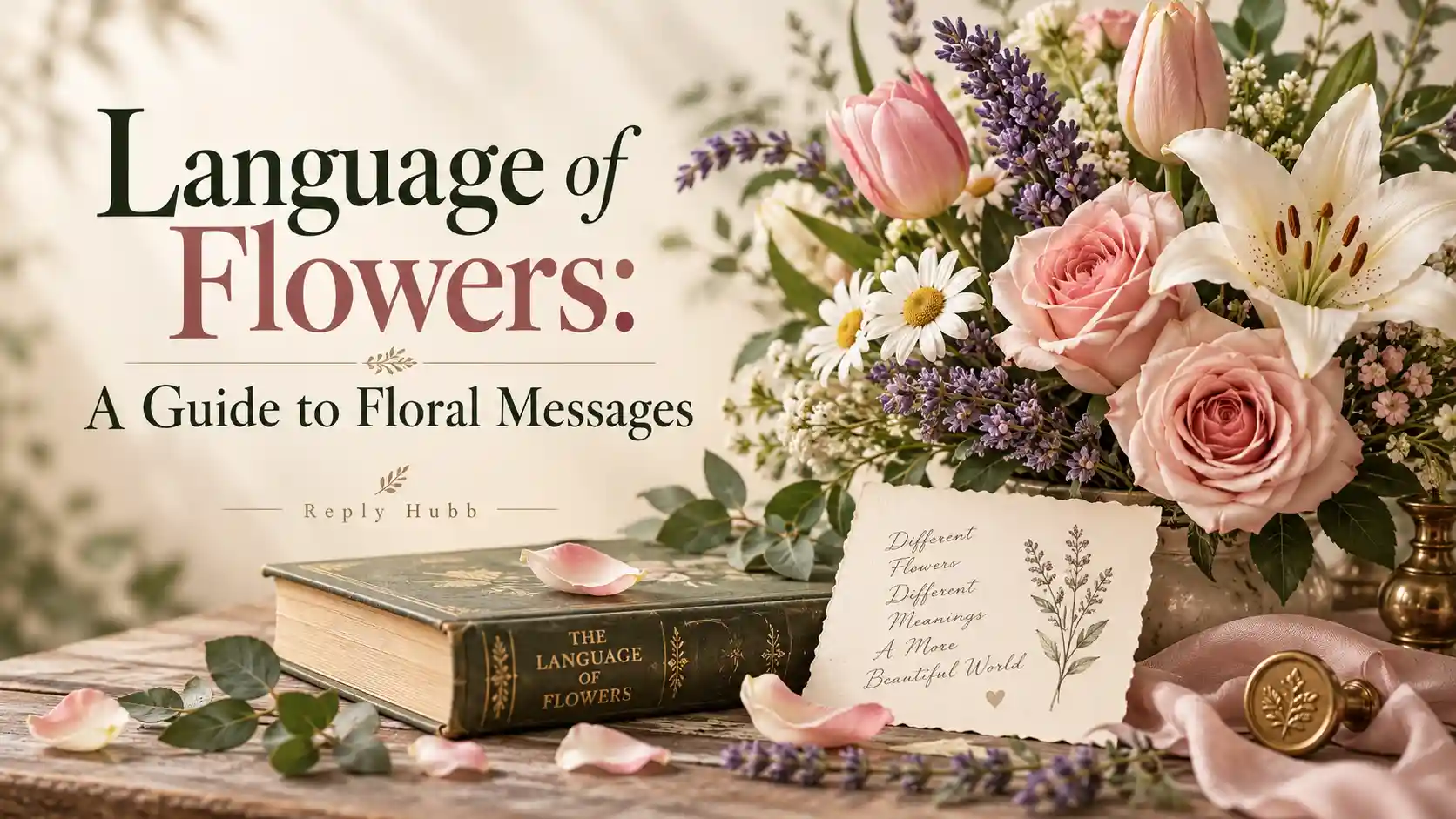
Flowers have always been more than just decorative accents; throughout history, they have served as a silent, expressive medium for human emotion. The language of flowers, known as floriography, reached its peak during the Victorian era, when bouquets were carefully curated to convey secret messages that couldn’t be spoken aloud. Today, this beautiful practice is experiencing a revival, offering a poetic way to communicate affection, gratitude, or even warning. Whether you are choosing a bouquet for a loved one or simply curious about the symbolism behind your garden blooms, understanding floral messages adds a layer of depth and intentionality to every floral gift you share.
The Core Principles of Floriography
Understand the basics of how flowers carry hidden meanings and how context, color, and variety play a crucial role in creating your floral message.
1. The Power of Color
Color is the primary modifier in the language of flowers. For example, a red rose traditionally signifies deep romantic love, while a white rose symbolizes purity or silence. Yellow roses, conversely, historically represented jealousy or friendship depending on the era. When selecting flowers, consider the hue as the first layer of your message, as it sets the emotional tone for the entire arrangement.
2. Variety and Specific Symbolism
Each flower species has a distinct definition. Lilies are often associated with majesty and rebirth, whereas lavender speaks to devotion and serenity. To master the art of floriography, look beyond the beauty of the petal and research the historical context of the variety. Combining flowers with complementary meanings can create a sophisticated, multi-layered message that shows true thoughtfulness.
3. Context and Cultural Nuance
While many floral meanings are rooted in Victorian traditions, it is important to remember that symbolism can change across different cultures. In some regions, certain flowers associated with joy in the West might be linked to mourning or funerals. Always consider the recipient’s background and personal preferences when crafting your message to ensure the gesture is interpreted exactly as intended.
4. The Importance of Arrangement
In the Victorian era, the way a flower was presented—such as holding a bloom upside down or choosing a specific combination of stems—could change the entire meaning of the gift. A bouquet can tell a story from start to finish. Focus on creating a balanced composition that reflects your feelings, and don’t be afraid to include foliage or herbs that carry their own subtle meanings, like rosemary for remembrance.
Recommended Resources for Learning Floriography
To deepen your knowledge of floral symbolism, these curated books and guides offer comprehensive insights into the history, folklore, and practical application of the language of flowers.
The Secret Language of Flowers: A Definitive Illustrated Guide

Best For: Beginners seeking a comprehensive visual dictionary.
This book provides a beautifully illustrated deep dive into the historical symbolism associated with hundreds of flowers.
Practical Tips: Use this as a coffee table book to inspire your gift-giving choices whenever you visit a florist.
Recommended: Reference Books
Language of Flowers: A Folding Pocket Guide

Best For: Gardeners and those who love practical, portable tools.
A portable and durable guide perfect for carrying to the flower market or garden center.
Practical Tips: Tuck this into your bag so you always have a quick reference for symbolic meanings while on the go.
Recommended: Pocket Guides
The Language of Flowers: A Novel

Best For: Readers who want to explore floriography through storytelling.
A captivating work of fiction that weaves the language of flowers into a powerful emotional narrative.
Practical Tips: Read this to see how floral meanings can influence relationships and personal growth in a literary context.
Recommended: Fiction
Floriography: An Illustrated Guide to the Victorian Language

Best For: History buffs and vintage enthusiasts.
Focuses specifically on the Victorian roots of floriography, detailing the social rules and hidden meanings of the 19th century.
Practical Tips: Ideal for those interested in the historical perspective and period-accurate floral gifting.
Recommended: Historical Guides
The Language of Flowers (Handy Reference)

Best For: Busy individuals needing quick, reliable information.
A concise and easy-to-read guide that makes identifying floral meanings quick and stress-free.
Practical Tips: Use this to decode bouquet arrangements when you are unsure about the specific message being sent to you.
Recommended: Quick References
How to Choose the Right Floral Guide
When selecting a resource on the language of flowers, consider your specific goal. Are you looking for a deep historical perspective or a practical tool for daily use? Illustrated guides are excellent for beginners because they help with visual recognition. If you are a fan of historical fiction, novels that center on floriography can be a great way to understand the emotional weight behind the blooms. Finally, always check the level of detail; some guides provide brief definitions, while others include the cultural origins and folklore of every flower.
Frequently Asked Questions
What is the most popular flower for conveying love?
The red rose remains the most recognized symbol of deep romantic love across many cultures, though tulips and carnations can also carry strong messages of affection depending on their color.
Are floral meanings still relevant today?
While the rigid social rules of the Victorian era have faded, the practice of using flowers to convey sentiment remains a thoughtful and timeless way to express emotions that are hard to put into words.
Final Thoughts
The language of flowers is a beautiful bridge between nature and human emotion. By understanding the historical and symbolic meanings of your favorite blooms, you can elevate simple gestures into deeply meaningful messages. Whether you are buying for a friend, a partner, or yourself, let the wisdom of floriography guide your choices. Start with a guide, explore the symbolism, and enjoy the art of storytelling through petals.
