
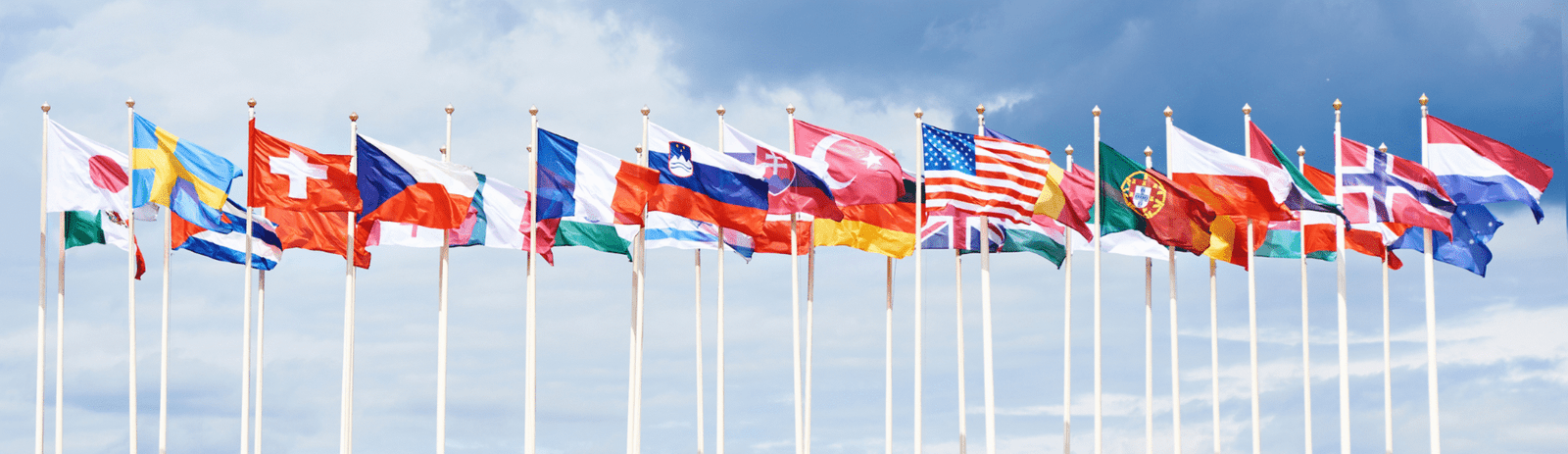
Understanding how different cultures express strength opens a doorway into the way people view courage, endurance, and personal power.
Learning strength in different languages also helps you connect with communities through their values, emotions, and everyday expressions.
In every language, strength carries a deeper meaning that reflects resilience, bravery, determination, and inner power. Exploring strength in different languages not only expands your vocabulary but also helps you understand how cultures describe courage, confidence, and emotional endurance.
These powerful expressions create stronger human connections and reveal the universal importance of perseverance in everyday life. Whether spoken through words, traditions, or emotions, strength remains a timeless symbol of hope, stability, and personal growth across the world.
Why Learning ‘strength’ in Different Languages Matters
Exploring the translation of strength reveals much more than a simple word.
Across cultures, strength meaning can refer to spiritual force, moral courage, physical ability, or mental resilience.
Knowing how to say strength in different languages allows you to appreciate cultural identity, storytelling, and daily communication in a deeper way.
Strength in European Languages
1. Spanish — “fuerza” (FWEHR-sah)
- Informal: fuerza
- Formal: la fuerza
- Common in encouragement, sports, and emotional support.
2. French — “force” (FORS)
- Describes both energy and moral power.
- Often used in polite expressions.
3. German — “Stärke” (SHTAIR-kuh)
- Means strength and intensity.
- Used in product descriptions and personal traits.
4. Italian — “forza” (FOR-tsah)
- Also used as a cheer: Forza!
- Implies determination and lively energy.
5. Portuguese — “força” (FOR-sah)
- Combines emotional and physical strength.
- Used in everyday motivation.
6. Russian — “сила” (SEE-la)
- Strong cultural connection to resilience and pride.
7. Dutch — “kracht” (KRAHKT)
- Indicates toughness and physical capability.
Force in Different Languages
The word “force” is used in many ways around the world. Sometimes it means physical strength, while other times it describes pressure, energy, or influence. In daily conversations, science, sports, and even motivational quotes, this word appears often.
Here are some common translations of “force” in different languages:
| Language | Word for Force | Pronunciation |
| Spanish | Fuerza | fwer-sa |
| French | Force | fors |
| German | Kraft | kraft |
| Italian | Forza | ফর-জা |
| Portuguese | Força | for-sa |
| Arabic | قوة | quwwa |
| Hindi | बल | bal |
| Urdu | طاقت | taqat |
| Chinese | 力量 | lì liàng |
| Japanese | 力 | chikara |
| Korean | 힘 | him |
| Russian | Сила | sila |
| Greek | Δύναμη | dýnami |
| Turkish | Güç | gooch |
In many cultures, the word also symbolizes courage, determination, and inner strength.
Power in Different Languages
The word “power” can describe authority, electricity, energy, control, or personal ability. Different languages express this idea in unique and meaningful ways.
Here are translations of “power” in various languages:
| Language | Word for Power | Meaning |
| Spanish | Poder | Ability or authority |
| French | Pouvoir | Power or control |
| German | Macht | Strength or authority |
| Italian | Potere | Capability |
| Arabic | سلطة / قوة | Authority / strength |
| Urdu | طاقت | Power or energy |
| Hindi | शक्ति | Spiritual or physical power |
| Chinese | 权力 | Authority |
| Japanese | パワー | Borrowed English term |
| Korean | 권력 | Political power |
| Russian | Власть | Authority |
| Greek | Εξουσία | Control or authority |
Power can be emotional, physical, political, or spiritual depending on the context.
Powerful in Different Languages
The word “powerful” is often used to describe strong people, emotions, speeches, leaders, engines, or personalities. It carries a feeling of intensity and influence.
Below are translations of “powerful” in different languages:
| Language | Word for Powerful |
| Spanish | Poderoso |
| French | Puissant |
| German | Mächtig |
| Italian | Potente |
| Portuguese | Poderoso |
| Arabic | قوي |
| Urdu | طاقتور |
| Hindi | शक्तिशाली |
| Chinese | 强大 |
| Japanese | 強力な |
| Korean | 강력한 |
| Russian | Могущественный |
| Turkish | Güçlü |
These words are commonly used in movies, literature, motivation, and daily speech.
Human Strength in Different Languages
Human strength often means the ability to stay strong during difficult times. Here are some popular translations from around the world.
| Language | Word for Human Strength | Pronunciation |
|---|---|---|
| Spanish | Fuerza | FWER-sa |
| French | Force | Fors |
| Italian | Forza | FOR-tsa |
| German | Stärke | SHTAIR-kuh |
| Arabic | قوة | Quwwa |
| Japanese | 力 (Chikara) | Chee-kah-rah |
| Korean | 힘 (Him) | Heem |
| Chinese | 力量 | Lee-liang |
| Hindi | शक्ति | Shakti |
| Greek | Δύναμη | Thee-na-mee |
These words are commonly used in motivational quotes and inspirational sayings.
Spiritual Strength in Different Languages
Spiritual strength is the inner power that helps people stay calm, hopeful, and connected during hard times.
| Language | Spiritual Strength Word | Meaning |
|---|---|---|
| Sanskrit | Shakti | Divine energy |
| Hebrew | Oz | Inner strength |
| Arabic | صبر (Sabr) | Patience and endurance |
| Japanese | 精神力 | Mental/spiritual power |
| Latin | Virtus | Moral excellence and courage |
| Tibetan | Tobs | Spiritual power |
| Greek | Pneuma | Spirit energy |
Many people use these words in tattoos, meditation quotes, or spiritual bios because they sound meaningful and powerful.
Physical Strength in Different Languages
Physical strength is related to muscles, stamina, and body power.
| Language | Word | Pronunciation |
|---|---|---|
| Russian | Сила | See-la |
| Portuguese | Força | FOR-sa |
| Turkish | Güç | Gooch |
| Dutch | Kracht | Krakht |
| Swedish | Styrka | STEER-kah |
| Polish | Siła | Shee-wa |
| Urdu | طاقت | Taaqat |
Athletes and gym lovers often use these words in workout captions and fitness motivation posts.
“Power” in Different Languages
The word “power” can mean energy, authority, or strong influence.
| Language | Word for Power |
|---|---|
| French | Pouvoir |
| Spanish | Poder |
| German | Macht |
| Japanese | パワー (Pawā) |
| Chinese | 权力 |
| Arabic | سلطة |
| Hindi | शक्ति |
| Latin | Potestas |
Some languages use different words depending on whether the power is physical, political, or spiritual.
Powerful in Different Languages
If you want to describe a person as strong or influential, these words can help.
| Language | Word for Powerful |
|---|---|
| Spanish | Poderoso |
| French | Puissant |
| Italian | Potente |
| German | Mächtig |
| Japanese | 強力な |
| Korean | 강력한 |
| Arabic | قوي |
These words are often used in movies, books, and motivational speeches.
Courage in Different Languages
Courage means facing fear with bravery and confidence.
| Language | Word for Courage |
|---|---|
| French | Courage |
| Spanish | Coraje |
| Italian | Coraggio |
| German | Mut |
| Japanese | 勇気 (Yuuki) |
| Arabic | شجاعة |
| Latin | Fortitudo |
| Hindi | साहस |
Courage is one of the most respected qualities in every culture around the world.
Strength in Latin
Latin has several beautiful words related to strength, courage, and power. These words are still popular today in tattoos, logos, and quotes.
Common Latin Words for Strength
- Fortitudo — Courage and strength
- Virtus — Excellence, bravery, moral strength
- Potentia — Power or ability
- Robur — Physical strength and toughness
Among these, “Fortitudo” is the most famous Latin word for strength because it represents both physical and mental resilience.
French Word for Strength and Courage
French has elegant words that express bravery and inner power beautifully.
French Words
- Force — Strength
- Courage — Courage or bravery
- Puissance — Power
- Résilience — Emotional resilience
Many people love French words because they sound soft yet powerful at the same time.
Why People Search for Strength Words in Different Languages
People often look for these translations because they want:
- Tattoo ideas
- Instagram captions
- Motivational quotes
- Gaming usernames
- Character names
- Spiritual meanings
- Unique bio ideas
Words related to strength can inspire confidence and positivity every day.
Physical Force in Different Languages
“Physical force” usually refers to body strength, muscular power, or force used in movement and action. In science, it also relates to physics and motion.
Here is how “physical force” is translated in different languages:
| Language | Translation |
| Spanish | Fuerza física |
| French | Force physique |
| German | Physische Kraft |
| Italian | Forza fisica |
| Portuguese | Força física |
| Arabic | القوة الجسدية |
| Urdu | جسمانی طاقت |
| Hindi | शारीरिक बल |
| Chinese | 体力 |
| Japanese | 肉体的な力 |
| Korean | 물리적인 힘 |
| Russian | Физическая сила |
| Turkish | Fiziksel güç |
This term is often used in fitness, sports, martial arts, and scientific discussions.
Why People Search Words in Different Languages
Many people look for translations of words like “force” and “power” because they want:
- Unique tattoo ideas
- Strong usernames or gamer tags
- Motivational quotes
- Powerful baby names
- Creative writing inspiration
- Multilingual learning
- Spiritual or symbolic meanings
Words related to strength and power are popular because they sound bold and meaningful across cultures.
Strength in Native American Languages
1. Navajo — “t’áá hó’ájí” (tah-hoh-ah-jee)
- Refers to inner life-force and grounded strength.
2. Cherokee — “ᎤᏓᏅᏙᎢ” (oo-da-nuv-do-ee)
- Focus on inner bravery and emotional courage.
3. Hopi — “muyngwa” (MOON-gwa)
- Spiritual and natural force.
4. Lakota — “wašícuŋ” (wah-SHEE-choon)
- Endurance and personal fortitude.
5. Ojibwe — “mashkawizii” (mash-kah-wee-zee)
- A person who shows strong heart.
6. Apache — “goshi” (GOH-shee)
- Used in daily speech for toughness.
7. Mohawk — “ionekwa’” (yo-NEK-wah)
- Stability and lasting strength.
Strength in Asian Languages
1. Hindi — “शक्ति” (SHAK-tee)
- Symbolic of divine feminine power and capability.
2. Mandarin Chinese — “力量” (LEE-lyang)
- Covers emotional, physical, and mental force.
3. Japanese — “力” (chee-KAH-ra)
- Appears in names and cultural teachings.
4. Korean — “힘” (heem)
- Regularly used for encouragement.
5. Thai — “กำลัง” (gam-LANG)
- Seen in fitness, discipline, and motivation.
6. Filipino — “lakas” (lah-KAS)
- Praises both effort and inner courage.
7. Indonesian — “kekuatan” (keh-koo-WAH-tan)
- Used for strong people and powerful forces.
Spiritual Strength in Different Languages
- Spanish: fuerza espiritual
- French: force spirituelle
- German: geistige Stärke
- Italian: forza spirituale
- Arabic: القوة الروحية
Physical Strength in Different Languages
- Spanish: fuerza física
- French: force physique
- German: körperliche Stärke
- Italian: forza fisica
- Arabic: القوة البدنية
Power in Different Languages
- Spanish: poder
- French: pouvoir
- German: Macht
- Italian: potere
- Arabic: قوة
Courage in Different Languages
- Spanish: coraje
- French: courage
- German: Mut
- Italian: coraggio
- Arabic: شجاعة
Strength in Latin
- Strength: fortitudo
Strength in Other Words (Synonyms)
- Might, resilience, endurance, vigor, toughness
Brave in Different Languages
- Spanish: valiente
- French: brave / courageux
- German: tapfer
- Italian: coraggioso
- Arabic: شجاع
French Word for Strength and Courage
- Strength: force
- Courage: courage
Strength in Middle Eastern Languages
1. Arabic — “قوة” (KOO-wah)
- Used spiritually, emotionally, and in everyday life.
- Formal: القوة
2. Persian — “قدرت” (GOH-drat)
- Means capability, influence, and power.
3. Turkish — “güç” (GOOCH)
- Emotional, political, and physical strength.
4. Hebrew — “עוצמה” (ots-MAH)
- Strong presence or intensity.
5. Kurdish — “hêz” (hayz)
- Very common in daily life.
6. Pashto — “زور” (zor)
- Means forced strength or natural power.
7. Urdu — “طاقت” (taa-qat)
- Used widely for all forms of strength.
Strength in African Languages
1. Swahili — “nguvu” (ngoo-voo)
- Means energy, ability, and endurance.
2. Zulu — “amandla” (ah-MAHN-dlah)
- Represents power in speech and chants.
3. Yoruba — “agbara” (ah-GBAH-rah)
- Physical, spiritual, and emotional strength.
4. Amharic — “መንበር” (man-BER)
- Foundational or structural strength.
5. Somali — “xoog” (hohg)
- Daily word for force or toughness.
6. Shona — “simba” (SEEM-bah)
- A name symbolizing courage.
7. Hausa — “ƙarfi” (KAR-fee)
- Used both casually and formally.
Strength in Indigenous Languages
1. Māori — “kaha” (KAH-hah)
- A core idea in Māori values and resilience.
2. Hawaiian — “ikaika” (ee-KAI-kah)
- Moral and spiritual strength.
3. Samoan — “malosi” (mah-LOH-see)
- Encouragement within family and community.
4. Fijian — “kaukaua” (kow-KOW-wah)
- Connected to bravery.
5. Tahitian — “mana” (MAH-nah)
- Sacred and powerful energy.
6. Tongan — “mafai” (mah-FIE)
- Capability and strength.
7. Inuktitut — “sila” (SEE-lah)
- Strength linked with nature.
Strength in Iroquoian Language Family
- Mohawk — ionekwa’
- Oneida — oyá·tsu
- Cayuga — oyátshon
- Seneca — oyä́dzo
- Onondaga — oyë́tsho
- Tuscarora — we’ru
- Huron — orétsu
Strength in Plains Languages
- Crow — bahké
- Arapaho — héétce
- Comanche — táhkwi
- Blackfoot — iitsis
- Cheyenne — háhke
- Kiowa — taaw
- Wichita — raawi
Strength in Southeastern Languages
- Choctaw — appi
- Creek — etsku
- Seminole — ístku
- Catawba — yarré
- Timucua — tanni
- Natchez — tó’nu
- Yuchi — kleno
Strength in Northwestern Languages
- Salish — sxʷéy
- Tlingit — x’éix
- Haida — ts’áw
- Tsimshian — g’máts
- Chinook — tkʷáy
- Tillamook — sxot
- Nisga’a — gwéehl
Strength in Additional World Languages
- Greek — “ischy” (EES-khee)
- Swedish — “styrka” (STEER-kah)
- Danish — “styrke” (STOOR-keh)
- Norwegian — “kraft” (KRAFT)
- Finnish — “voima” (VOY-mah)
- Polish — “siła” (SHEE-wah)
- Czech — “síla” (SEE-lah)
- Hungarian — “erő” (EH-roh)
- Romanian — “putere” (poo-TEH-reh)
- Albanian — “fuqi” (FOO-chee)
- Bulgarian — “sila” (SEE-lah)
- Latvian — “spēks” (SPAYKS)
- Estonian — “jõud” (YOHD)
- Malay — “kekuatan” (keh-koo-AH-tan)
- Sinhala — “balaya” (BAH-lah-yah)
Examples of Using ‘strength’ in Sentences Across Languages
Spanish: Tengo mucha fuerza hoy.
→ I have a lot of strength today.
Arabic: لدي قوة داخلية كبيرة.
→ I have great inner strength.
French: Sa force vient de son cœur.
→ Her strength comes from her heart.
Hindi: उसकी शक्ति अटूट है।
→ His strength is unbreakable.
Japanese: 彼の力は信じられないほど強い。
→ His strength is unbelievably strong.
Turkish: Bu zorlukla başa çıkacak gücüm var.
→ I have the strength to face this challenge.
Swahili: Ana nguvu ya kuvumilia.
→ She has the strength to endure.
Russian: Его сила поражает всех.
→ His strength amazes everyone.
Cultural Meaning of ‘Strength’ Around the World
Different societies interpret strength meaning in beautifully unique ways.Asian cultures often connect strength with discipline and spirit.
Native American communities link strength to nature, community, and balance.
African languages emphasize pride, survival, and leadership.
European cultures celebrate determination, courage, and achievement.Each translation reveals how humanity values resilience in its own voice.
1. Fancy Words for Strength
- Fortitude – mental and emotional strength in adversity
- Vigor – physical energy or robust strength
- Mettle – courage and resilience under pressure
- Resilience – ability to recover from difficulties
- Stamina – enduring physical or mental strength
- Tenacity – persistent determination
2. Latin Words for Strength
- Fortitudo – strength, courage, fortitude
- Robur – oak, strength, firmness, might
- Vis – force, power, energy
- Vires – plural form, meaning “forces” or “strengths”
3. How to Say “Strong” in Different Languages
- Spanish: fuerte
- French: fort / forte
- German: stark
- Italian: forte
- Arabic: قوي (qawī)
- Japanese: 強い (tsuyoi)
- Russian: сильный (sil’nyy)
- Hindi: मजबूत (majboot)
4. How to Say “Power” in Different Languages
- Spanish: poder
- French: pouvoir
- German: Macht
- Italian: potere
- Arabic: قوة (quwa)
- Japanese: 力 (chikara)
- Russian: власть (vlast’) / сила (sila)
- Hindi: शक्ति (shakti)
Conclusion
Exploring strength in different languages uncovers powerful cultural stories, emotional symbolism, and unique ways of expressing resilience.
By learning the translation of strength, you gain a deeper understanding of how people around the world describe courage, capability, and inner power.
Knowing how to say strength in different languages is a meaningful step toward cultural connection and global awareness.
