
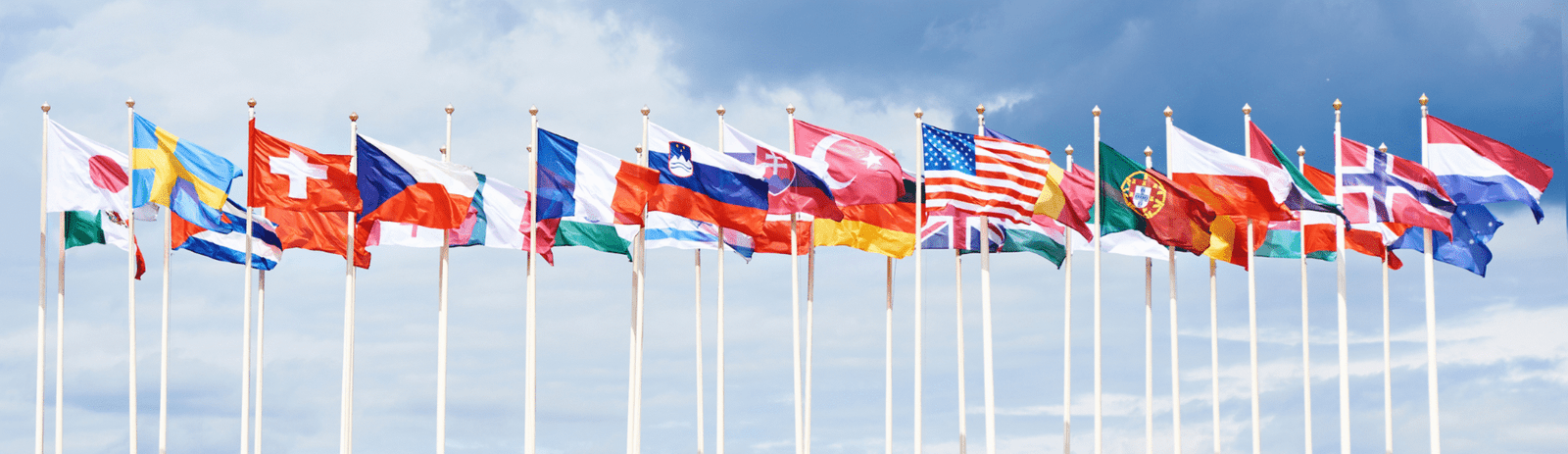

Cool Words in Different Languages are not just fun to say they carry the culture, vibe, and uniqueness of every place around the world.
🌎 Imagine learning a word that sounds amazing and means something inspiring! From Japanese to Spanish, these words make language exciting and memorable.
Want a quick example? “Saudade” in Portuguese captures a feeling that has no exact English translation. By the end, you’ll discover many such cool words you can start using today!
Why Learning ‘Thank You in Different Languages’ Matters
Gratitude carries profound cultural value. Every society has its own way of expressing thanks, reflecting unique social norms and traditions. Learning how to say thank you in different languages fosters global understanding and empathy. It also strengthens emotional bonds, as showing appreciation in someone’s native tongue can create warmth and connection instantly. Beyond words, it’s a bridge to shared human experiences.
Thank You in European Languages
- French: Merci (mehr-see)
- Spanish: Gracias (GRAH-syahs)
- Italian: Grazie (GRAHT-see-eh)
- German: Danke (DAHN-keh)
- Portuguese: Obrigado / Obrigada (oh-bree-GAH-do / oh-bree-GAH-dah)
- Dutch: Dank je (dahnk yuh)
- Swedish: Tack (tahk)
Thank You in Native American Languages
- Cherokee: Wado (WAH-do)
- Navajo: Ahéhee’ (ah-HAY-hay)
- Lakota: Pilamaya (pee-lah-MAH-yah)
- Apache: Giho (GEE-ho)
- Ojibwe: Miigwech (MEE-gwe-ch)
- Mohawk: Niá:wen (nee-AH-wen)
- Hopi: Quya (KOO-yah)
Thank You in Asian Languages
- Chinese (Mandarin): Xièxiè (shieh-shieh)
- Japanese: Arigatou (ah-ree-gah-toh)
- Korean: Gamsahamnida (gahm-sah-ham-nee-dah)
- Hindi: Dhanyavaad (dhun-yah-vaad)
- Thai: Khob khun (khawp-koon)
- Vietnamese: Cảm ơn (gahm un)
- Malay/Indonesian: Terima kasih (te-ree-mah kah-seeh)
Thank You in Middle Eastern Languages
- Arabic: Shukran (shoo-kran)
- Hebrew: Todah (toh-DAH)
- Persian (Farsi): Mamnoon (mam-noon)
- Turkish: Teşekkür ederim (teh-sheh-KOOR eh-deh-reem)
- Kurdish: Spas (spahs)
- Pashto: Manana (mah-NAH-nah)
- Urdu: Shukriya (shoo-kree-yah)
Thank You in 100 Languages
Learning how to say “thank you” in different languages is a wonderful way to show respect and appreciation for people from around the world. Whether you are traveling, studying a new language, or connecting with international friends, knowing a simple expression of gratitude can make conversations more meaningful.
Around the globe, every culture has its own unique way of expressing thanks. While some languages use short and simple words, others have formal and informal variations depending on the situation. Exploring thank you in 100 languages helps you understand cultural diversity while improving your communication skills.
Common examples include “Gracias” in Spanish, “Merci” in French, “Danke” in German, “Grazie” in Italian, and “Arigatou” in Japanese. These expressions may sound different, but they all carry the same message of appreciation and kindness.
Thank You in Different Languages Asian
Asia is home to thousands of languages and cultures, making it one of the most linguistically diverse regions in the world. Learning how to say thank you in Asian languages can help travelers, students, and language enthusiasts connect with local communities.
Some popular examples include “Xie Xie” in Mandarin Chinese, “Arigatou” in Japanese, “Gamsahamnida” in Korean, “Khop Khun” in Thai, and “Dhanyavaad” in Hindi. Each phrase reflects the traditions and customs of its culture.
Using the local word for thank you often leaves a positive impression and demonstrates respect for local traditions. Even a simple phrase can help build stronger relationships and create memorable experiences.
Thank You in Different Languages Song
Songs that include the phrase “thank you” in multiple languages are a fun and engaging way to learn new vocabulary. Music helps people remember words more easily because rhythm and repetition improve language retention.
Many educational songs introduce children and language learners to expressions of gratitude from around the world. These songs often combine different languages in a single melody, allowing listeners to hear how thank you sounds across cultures.
Listening to multilingual thank-you songs can also improve pronunciation and listening skills while making language learning enjoyable and interactive.
Saying Thank You in Different Languages Game
Language games are a creative way to practice saying thank you in different languages. Teachers, parents, and language learners often use these activities to make learning more exciting.
One popular game involves matching countries with their correct thank-you phrases. Another activity challenges participants to guess the language after hearing a thank-you expression. These games encourage memory, cultural awareness, and communication skills.
Whether played in a classroom or at home, language games transform learning into a fun and memorable experience.
Thank You in Different Languages Image
Visual learning tools can make language study easier and more effective. Images that display thank-you phrases from different languages help learners connect words with countries, flags, and cultures.
Many educational posters organize thank-you expressions by continent or language family. These visual references are useful for classrooms, travel guides, and personal study materials.
Using images alongside pronunciation guides can improve both recognition and recall, making it easier to remember new phrases.
Saying Thank You in Different Languages Filter
Social media filters featuring thank-you phrases in different languages have become increasingly popular. These filters allow users to discover new languages while creating engaging photos and videos.
Some filters randomly display a thank-you phrase from a different country each time they are used. Others highlight cultural facts and language trivia to make the experience more educational.
These interactive tools combine entertainment with learning, encouraging users to explore global languages in a fun way.
Thank You in 100 Languages Copy and Paste
Many people search for ready-to-use thank-you phrases that they can quickly copy and paste into messages, emails, or social media posts. Having access to multiple translations makes it easier to communicate appreciation across language barriers.
Copy-and-paste thank-you phrases are especially useful for international business, online communities, and multilingual celebrations. They help users share gratitude in a respectful and culturally appropriate way.
Before using any translation, it is helpful to verify the context and level of formality to ensure the message fits the situation.
How Do We Say Thank You in Different Languages Song
Learning through songs is one of the easiest ways to remember foreign-language expressions. Songs that teach thank you in different languages introduce learners to pronunciation, rhythm, and cultural diversity at the same time.
These songs often repeat key phrases from several languages, helping listeners memorize them naturally. They are widely used in schools, language courses, and children’s educational programs.
By singing along, learners can improve pronunciation, develop confidence, and gain a deeper appreciation for languages from around the world.
Thank You in African Languages
- Swahili: Asante (ah-SAHN-teh)
- Zulu: Ngiyabonga (ngee-yah-BOHN-gah)
- Xhosa: Enkosi (en-KOH-see)
- Amharic: Ameseginalehu (ah-meh-seh-gin-ah-LEH-hoo)
- Hausa: Na gode (nah GOH-deh)
- Yoruba: O se (oh-sheh)
- Shona: Ndatenda (ndah-TEN-dah)
Thank You in Indigenous Languages
- Sami: Giitu (GEE-too)
- Inuktitut: Qujannamiik (koo-jah-NAH-meeek)
- Maori: Ngā mihi (ngah MEE-hee)
- Hawaiian: Mahalo (mah-HAH-lo)
- Sanskrit: Dhanyavaad (dhun-yah-vaad)
- Guarani: Aguyje (ah-GOO-yeh)
- Twi (Ghana): Meda wo akpe (meh-DAH woh AHK-peh)
Thank You in Iroquoian Language Family
- Mohawk: Niá:wen (nee-AH-wen)
- Seneca: Nyaweh (NYAH-weh)
- Oneida: Yaw^ko (yah-WAH-koh)
- Cayuga: Nyawëh (nyah-WEH)
- Tuscarora: Nyawęh (nyah-WEH)
- Onondaga: Nya:weh (NYAH-weh)
- Cherokee: Wado (WAH-do)
Thank You in Plains Languages
- Lakota: Pilamaya (pee-lah-MAH-yah)
- Blackfoot: Niitoyi (nee-toy-ee)
- Cheyenne: Néhe (neh-heh)
- Comanche: Pöhka (POH-kah)
- Crow: Akshe (AHK-sheh)
- Assiniboine: Tóna (TOH-nah)
- Kiowa: Jau´ (jow)
Thank You in Southeastern Languages
- Choctaw: Yakoke (YAH-koh-keh)
- Chickasaw: Yakoke (YAH-koh-keh)
- Seminole: Etsin (ET-sin)
- Muskogee: Hvkē (hoo-KAY)
- Creek: Hvke (huh-KAY)
- Cherokee: Wado (WAH-do)
- Seminole-Miccosukee: Oke (OH-keh)
Thank You in Northwestern Languages
- Tlingit: Yaaw (yah-OW)
- Haida: Gwaay (GWAH-ee)
- Kwakwaka’wakw: Haa’ (hah-ah)
- Salish: Qʷíləs (KWEE-lus)
- Nuu-chah-nulth: Haʔał (hah-AHL)
- Coast Salish: X̌əls (khuhls)
- Tsimshian: Lii’ma (lee-MAH)
Thank You in Additional World Languages
- Russian: Spasibo (spah-SEE-bo)
- Polish: Dziękuję (jen-KOO-yeh)
- Greek: Efcharistó (ef-ha-ree-STOH)
- Czech: Děkuji (DYEH-koo-yee)
- Finnish: Kiitos (KEE-tos)
- Norwegian: Takk (tahk)
- Hungarian: Köszönöm (KUR-suh-nuhm)
- Romanian: Mulțumesc (mool-tsoo-MESK)
- Serbian: Hvala (HVAH-lah)
- Croatian: Hvala (HVAH-lah)
- Bulgarian: Blagodarya (blah-goh-DAH-ryah)
- Slovak: Ďakujem (DYA-koo-yem)
- Lithuanian: Ačiū (AH-choo)
- Latvian: Paldies (PAHL-dyes)
- Estonian: Aitäh (AI-tah)
Examples of Using ‘Thank You in Different Languages’ in Sentences
- Spanish: Gracias por tu ayuda.
(Thank you for your help.) - French: Merci pour le cadeau.
(Thank you for the gift.) - Arabic: Shukran ala al-musa’ada.
(Thank you for the assistance.) - Hindi: Dhanyavaad aapki meherbani ke liye.
(Thank you for your kindness.) - Japanese: Arigatou gozaimasu.
(Thank you very much.) - Swahili: Asante kwa msaada wako.
(Thank you for your support.) - Russian: Spasibo za vashu pomoshch.
(Thank you for your help.)
Cultural Meaning of ‘Thank You’ Around the World
In some cultures, saying thank you is a daily ritual, while in others, gratitude is shown through gestures or gifts. In Japan, gratitude often comes with deep respect and bowing.
In African societies, expressing thanks can involve community sharing. The emotional weight of this word reflects the importance of human connection universally. Learning it across cultures enhances empathy and helps you bond authentically with people worldwide.
Conclusion
Gratitude is a universal language. Learning how to say thank you in different languages is a beautiful way to embrace diversity, show respect, and create meaningful connections.
Every word of thanks carries warmth, and understanding these expressions allows us to celebrate humanity’s rich cultural tapestry. Start using them today and watch how a simple word can bring the world closer. 🌏
