

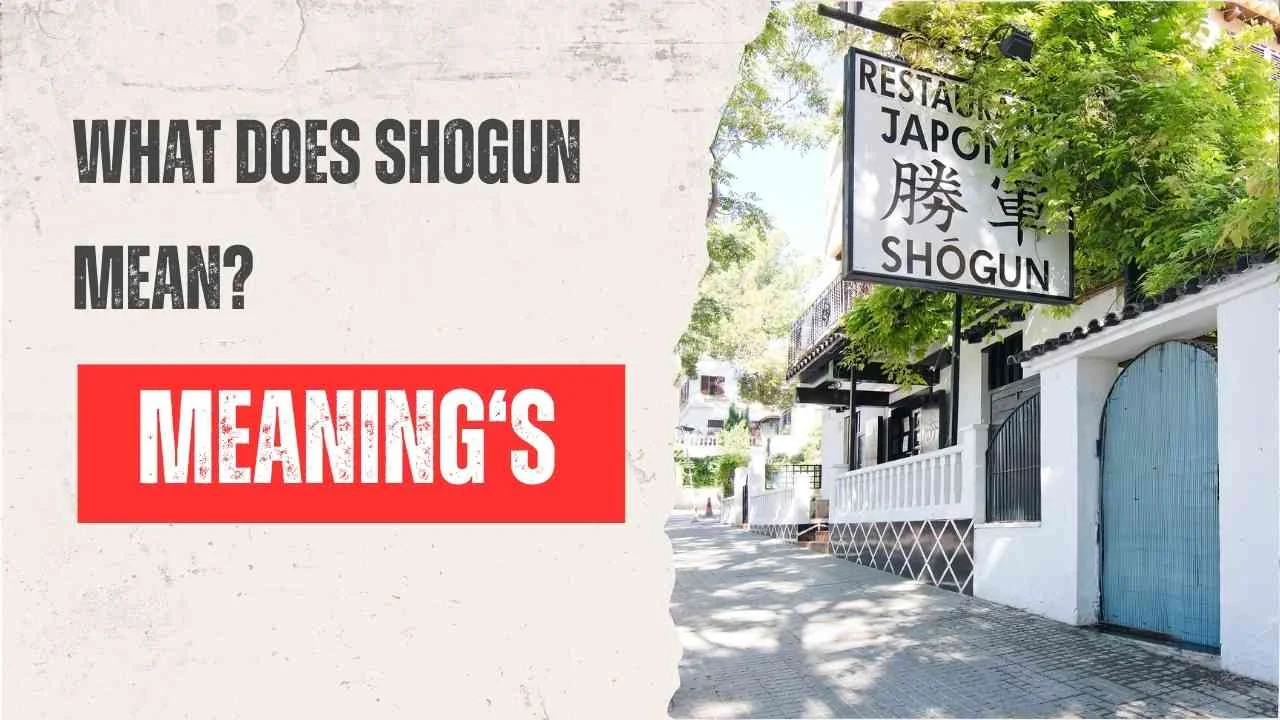
Have you ever scrolled through social media or watched a historical drama and suddenly heard the word “shogun”? It sounds powerful, almost royal, right? Many people see it in anime, movies, or history videos and get curious about what it actually means.
I remember the first time I heard it in a show—I thought it was a name, like a king or warrior. But the truth is even more interesting. The word carries deep history, leadership, and military power from ancient Japan.
Understanding what shogun means helps you make sense of history, pop culture, and even modern references used online today. It’s one of those words that quietly shows up everywhere once you notice it.
A shogun was the highest military leader in Japan, ruling the country in the name of the emperor during feudal times. The term “shogun” means “general” in Japanese. It represents strong authority, leadership, and control over the military and government in historical Japan.
Meaning & Definition of Shogun
The word shogun comes from Japanese history and has a strong, powerful meaning.
Primary Meaning
A shogun was the top military commander in Japan. Even though the emperor was the official ruler, the shogun held real political and military power.
Secondary Meanings
Today, the word can also mean:
- A symbol of leadership and authority
- A powerful commander or ruler (in historical context)
- A pop culture reference in movies, anime, or books
Simple Chat Examples
- “He acted like a shogun in the group project, always giving orders.”
- “That anime character is basically a shogun of his army.”
Background & Origin of the Word Shogun
The word shogun comes from Japan’s feudal era, which lasted hundreds of years.
Originally, it was a title given by the emperor to military generals who were sent to fight enemies. Over time, these generals became extremely powerful.
By the 12th century, shoguns were ruling Japan almost completely. The emperor stayed a symbolic figure, while the shogun controlled real power.
The most famous shogunate systems include:
- Kamakura Shogunate
- Ashikaga Shogunate
- Tokugawa Shogunate
Usage in Different Contexts
Casual Chats
People use “shogun” jokingly to describe someone who acts like a boss.
- “Stop being a shogun and let us decide!”
Social Media
Used in memes or captions to show dominance or power.
- “Feeling like a shogun today 😎”
Professional Use
Used in history, education, or cultural studies.
- “The shogun system shaped Japan’s political structure.”
Gaming / Group Chats
Gamers use it for strong leaders in teams.
- “Our shogun carried the whole squad.”
Meanings Across Platforms (Table)
| Platform | Tone | Example |
| Funny / Casual | “Bro thinks he’s a shogun 😂” | |
| Stylish / Aesthetic | “Shogun energy today ⚔️” | |
| TikTok | Trendy / Dramatic | “POV: You are the shogun of the empire” |
| Snapchat | Casual / Friendly | “Shogun mode on 😎” |
| Discord | Gaming / Leadership | “Our shogun is leading the raid” |
Real-Life Examples & Memes
- “He entered the room like a shogun, everyone went silent.”
- “Group project leader = shogun of stress management 😂”
- “When mom says clean your room, she becomes the shogun of the house.”
Meme Lines
- “Me in group work: accidental shogun of doing nothing.”
- “Teacher: assigns homework. Me: yes my shogun.”
Cultural or Regional Interpretations
US / UK
Mostly known from history books, documentaries, or TV series.
Asia (India, Pakistan, Philippines)
Often seen in anime culture and historical content online.
Australia
Known through global media and gaming culture references.
Other Meanings
| Field | Meaning | Description |
| History | Military leader | Ruler of feudal Japan’s army |
| Culture | Symbol of power | Represents authority and control |
| Entertainment | Character type | Used in anime, movies, games |
| Language | Title | Japanese term for general |
Common Mistakes & Misconceptions
- Thinking shogun means “king” (it does not exactly mean that)
- Believing the emperor and shogun were the same role
- Using it as a random name without meaning
- Confusing it with modern political titles
- Assuming it still exists today as an official role
Psychological / Emotional Meaning
- Positive: Power, leadership, confidence
- Neutral: Historical title, factual role
- Negative: Can imply strict control or dominance
Similar Terms & Alternatives
| Word | Meaning | Tone |
| General | Army leader | Formal |
| Emperor | Highest ruler | Royal |
| Warlord | Military leader | Strong / harsh |
| Commander | Leader of forces | Neutral |
Is It Offensive or Friendly?
The word shogun is not offensive. It is mostly historical and respectful. However, in casual slang, it can sometimes be used jokingly for someone who is overly bossy.
Example:
- Friendly: “He’s like a shogun in games.”
- Slight joke: “Don’t act like a shogun!”
Grammar or Linguistic Insight
“Shogun” is a noun borrowed from Japanese language. Over time, it entered English vocabulary through history and cultural exchange.
Like many borrowed words, it kept its original meaning but also gained modern slang usage online.
How to Respond When Someone Says “Shogun”
- “That’s a strong word!”
- “Are you talking about history or anime?”
- “You mean like a leader?”
- “Shogun energy unlocked 😂”
- “Explain that, I’m curious!”
Differences From Similar Words
| Word | Meaning Difference |
| Shogun | Military ruler in Japan |
| King | Monarch of a country |
| Emperor | Higher royal title than king |
| General | Military rank, not ruler |
Relevance in Dating & Online Culture
On apps like Tinder or Gen Z chats, “shogun” is sometimes used jokingly to show dominance or confidence.
Example:
- “Looking for my shogun 😌” (flirty/dramatic tone)
- “He gives shogun vibes” (strong personality reference)
Popularity & Trends
The word gained new popularity through:
- Anime culture
- Historical documentaries
- TikTok edits
- Gaming communities
- TV shows and viral clips
Gen Z often uses it for humor and aesthetic captions.
When NOT to Use “Shogun”
Avoid using it in:
- Formal business emails
- Academic essays (unless discussing history)
- Serious political discussions
- Sensitive leadership comparisons
It works best in:
- Casual chats
- Social media posts
- Entertainment discussions
FAQs
1. What does shogun mean in simple words?
It means a military leader who ruled Japan in the past. The shogun had more power than most officials.
2. Is shogun a king?
Not exactly. A shogun was a military ruler, while the emperor was the official monarch.
3. Is shogun still used today?
No, it is a historical title, but it is used in culture, anime, and media.
4. Why is shogun famous?
Because it represents Japan’s powerful feudal history and strong military leadership.
5. What does shogun mean in slang?
In slang, it means someone acting like a boss or leader in a funny way.
Conclusion
So, what does shogun mean? It’s more than just a word—it’s a piece of history packed with power, leadership, and cultural depth. From ancient Japan to modern memes, it has traveled far and still stays relevant today.
Next time you see “shogun” online, you’ll know it’s not just a fancy word—it’s a symbol of authority and legacy that shaped an entire era.
And honestly, it’s pretty cool how one word can carry so much story, right?
