

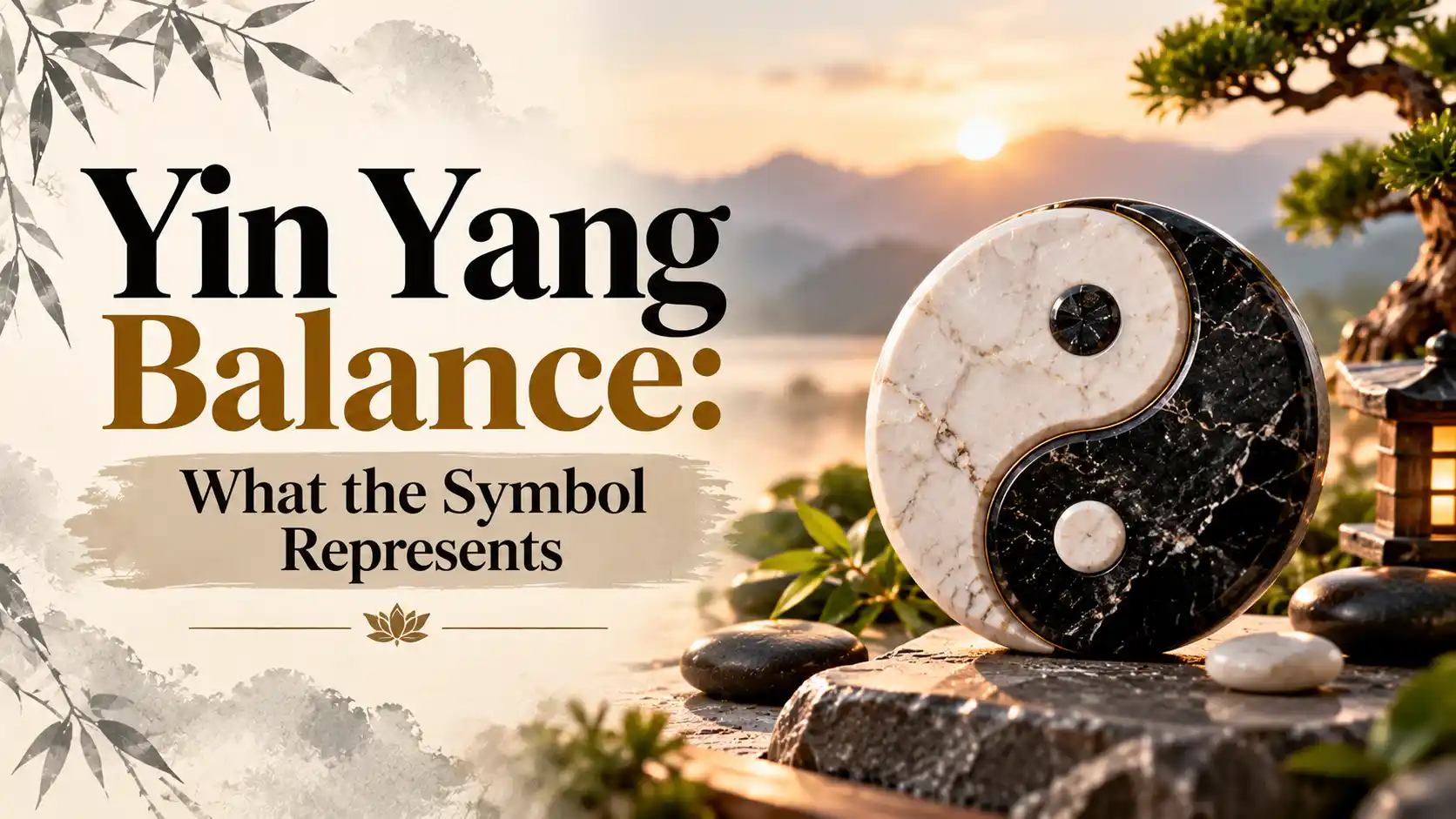
The Yin Yang symbol is one of the most recognizable icons in the world, yet its profound meaning often goes beyond simple black and white. At its core, Yin Yang balance represents the eternal dance of duality—the idea that opposing forces are not enemies, but complementary parts of a greater whole. By understanding how Yin (the passive, cooling energy) and Yang (the active, warming energy) interact, you can unlock a deeper sense of internal harmony. In this article, we explore how to translate this ancient philosophy into practical habits to help you navigate the stressors of modern living.
Understanding the Essence of Yin and Yang
The Yin Yang symbol, or Taijitu, teaches us that life is defined by movement and transition. Here are the core pillars of this philosophy:
1. Defining Yin and Yang Energy
Yin is associated with the feminine, darkness, rest, cold, and introspection. It is the deep, quiet energy that allows for recovery and reflection. Yang represents the masculine, light, activity, heat, and outward expansion. It is the fuel for achievement, movement, and growth. Neither is superior; both are essential for a functioning life.
2. The Interdependence of Opposites
A critical lesson of the symbol is that everything contains a seed of its opposite. Within the black Yin is a white dot, and within the white Yang is a black dot. This teaches us that true strength requires vulnerability, and true rest requires active intention. You cannot have one without the other; recognizing this prevents us from overextending ourselves.
3. Constant Change and Equilibrium
The flowing line between the two sides suggests that the boundary is never fixed. Life is a continuous process of shifting energy. Balance isn’t a stagnant state but a rhythmic adjustment. When we feel overwhelmed, we need more Yin; when we feel stagnant or stuck, we need more Yang. Learning to identify these shifts is the key to emotional and physical health.
4. Practical Application in Daily Routines
Achieving balance means acknowledging your body’s needs. If your day is high-intensity (Yang), ensure your evening is restorative (Yin). This might mean swapping a high-intensity workout for meditation or a long soak. Mistakes happen when we fight against our natural rhythm, such as forcing productivity during times when our body clearly needs rest.
Recommended Resources for Cultivating Balance
To deepen your understanding of Yin Yang principles and integrate them into your daily life, these curated resources offer expert guidance on holistic health and stress management.
Yin Yang Mastery

Best For: Professionals struggling with burnout and career stress.
This book provides a no-fluff approach to understanding how Chinese medicine wisdom applies to burnout and stress.
Practical Tips: Use this as a handbook for identifying when your life is leaning too heavily into the ‘Yang’ side, causing unnecessary stress.
Recommended: Chinese Medicine Wisdom Series
The Yin-Yang Diet

Best For: Individuals interested in physical health and gut harmony.
Focuses on nutritional balance, using food energetics to harmonize the body and mind.
Practical Tips: Incorporate seasonal foods to align with the changing energies of the environment throughout the year.
Recommended: Holistic Nutrition Guides
Yin, Yang, Yogini

Best For: Women seeking inner peace and spiritual strength.
A personal exploration of finding strength and peace through yoga and mindful movement.
Practical Tips: Read this when you feel disconnected from your internal rhythm; it offers a compassionate look at the feminine journey toward balance.
Recommended: Mindful Living Series
How to Choose the Right Path to Balance
Selecting the right approach for your life depends on your unique stressors. If you are physically exhausted, prioritize books on nutrition and restorative practices. If you are mentally overwhelmed, focus on mindset and philosophy. Always start by identifying your current imbalance: are you doing too much (Yang) or doing too little/feeling stagnant (Yin)? Once you know where you stand, choose tools that help move you back toward the center.
Frequently Asked Questions
Is Yin better than Yang?
No, both are essential. One cannot exist without the other; they are complementary rather than competing forces.
How can I tell if I have a Yin/Yang imbalance?
Common signs include chronic fatigue, excessive stress, burnout, inability to relax, or feeling unmotivated and sluggish.
Final Thoughts
The Yin Yang symbol serves as a beautiful, constant reminder that life is about finding a middle ground. By honoring both the need for action and the necessity of rest, you can lead a more intentional and serene life. Start small by adjusting one daily habit today—your journey toward balance is a lifelong process, not a destination.
